

Schedule Appointment


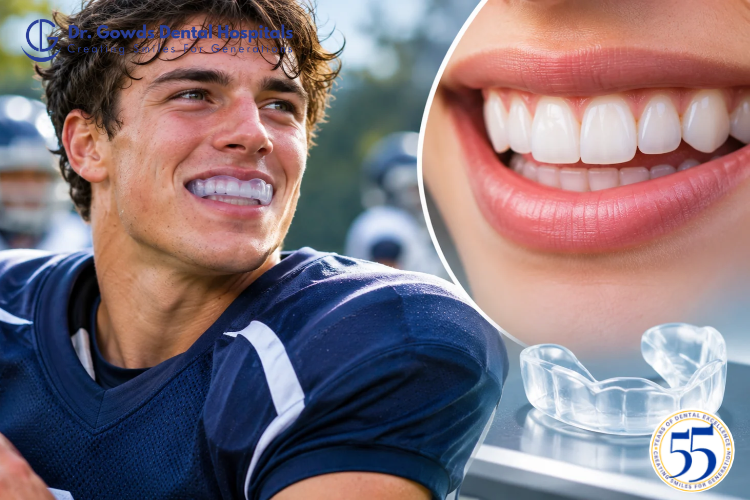
Playing sports is a great way to stay active, build skills and enjoy time with teammates. But when you are focused on the game, it is easy to overlook one important part of your equipment: protecting your teeth.
The connection between sports and teeth is especially important for activities involving physical contact, fast movement, balls, bats, sticks or accidental falls. A simple collision can turn into an unexpected dental problem if your mouth is not adequately protected.
The good news is that protecting your smile does not have to be complicated. The right equipment, everyday habits and regular dental care can make dental protection part of your normal sports routine.
When people prepare for a game, they usually think about shoes, helmets, protective pads, jerseys and other sports equipment. Teeth may not be the first thing that comes to mind.
However, sports can involve situations where the mouth comes into contact with another player, sports equipment, the ground or another surface.
The level of attention needed depends on the activity. Contact sports naturally require more consideration, but even non-contact activities can involve falls or accidental impacts.
Common situations that may affect teeth during sports include:
Thinking about teeth protection in sports before the game is much better than waiting until an unexpected incident occurs.
Every sport has its own environment and level of physical contact. Some activities involve frequent player contact, while others have a greater risk of falls or equipment-related impacts.
Sports where dental protection may be worth discussing include:
This does not mean every player needs the same type of protection. Your sport, age, equipment, playing style and dental situation can all influence what is appropriate.
A sports mouthguard is a protective device worn inside the mouth during certain activities. It creates a layer of protection around the teeth and is commonly considered for sports where contact or impact is possible.
There are different types of mouthguards available.
These are ready-made options available in standard sizes. They are designed to be used without individual customization.
These mouthguards can be softened and shaped according to the user’s mouth following the product instructions.
These are designed specifically for an individual’s mouth through a dental process. A dentist can assess whether this type of mouthguard is suitable for your needs and sport.
The right choice can depend on comfort, fit, sport, frequency of use and individual dental requirements.
Simply having a mouthguard is not enough if it is uncomfortable or does not fit properly.
An athlete may be less likely to use protective equipment consistently if it feels bulky, moves around or makes normal activities difficult.
When considering a mouthguard, pay attention to:
A mouthguard should become part of your regular sports equipment rather than something you remember only occasionally.
Athletes who wear braces or other dental appliances may have additional considerations when choosing a mouthguard.
A mouthguard should be suitable for the dental appliance and the sport being played. Instead of choosing a random option, discuss the available choices with your dentist.
This is particularly useful for athletes who participate in contact sports regularly.
Dental protection should begin before you step onto the field.
Create a simple pre-game routine that includes:
Small habits are easier to maintain when they become part of your normal preparation.
A mouthguard needs attention after the game too.
After use, follow the care instructions provided for the product. Keep it clean and allow it to dry appropriately before storing it.
Avoid leaving it loose inside a sports bag where it can come into contact with dirty equipment.
It is also useful to check your mouthguard regularly for:
If the mouthguard no longer fits properly or appears damaged, speak with your dentist about whether it should be replaced.
Sometimes an accident happens despite taking precautions.
If you experience a dental problem while playing, stop participating in the activity and arrange an appropriate dental assessment. Do not ignore an issue simply because the discomfort appears manageable at first.
After a sports-related dental incident, it can be helpful to note:
Sharing these details with your dental team can make the consultation more useful.
If something feels different after an impact, do not simply return to the game without considering whether you need dental attention.
Your next step should depend on the situation, so professional dental guidance is the safest way to determine what to do.
Play hard, protect your smile. If you participate in sports regularly and want to discuss mouthguards, dental protection or sports-related dental concerns, contact Dr Gowds Dental Hospitals in Hyderabad for a dental consultation.
Sports protection is only one part of looking after your smile.
Athletes can also build simple dental habits into their daily routine.
Regular brushing and other everyday oral care should not be forgotten because of a busy training schedule.
Opening packets, bottles or sports-related packaging with your teeth can put unnecessary stress on them.
Use the appropriate tool instead.
Regular dental visits provide an opportunity to discuss changes in your teeth, mouthguard fit and any concerns related to your sports activities.
A mouthguard that is worn, damaged or no longer comfortable should not simply be kept in use indefinitely.
The best approach to sports and teeth is to think about protection before an accident happens.
Start with your sport and identify the situations where your mouth could be exposed to contact or impact. Then consider the protective equipment available for your activity.
A practical routine can look like this:
Before playing:
Check your protective equipment and mouthguard.
During the game:
Follow the rules and use your protective equipment consistently.
After playing:
Clean and store your mouthguard correctly.
Between games:
Check your mouthguard for damage and maintain your regular dental care routine.
If an accident occurs:
Stop playing and seek appropriate dental guidance.
This simple approach makes dental protection a normal part of sports preparation rather than an afterthought.
Sports should be enjoyable, competitive and active. Protecting your teeth should simply be another part of being prepared.
Whether you play football, cricket, basketball, boxing, hockey or another sport, think about how your activity may affect your mouth and what protective equipment is appropriate.
If you are unsure about choosing a sports mouthguard, have braces or have experienced a sports-related dental concern, a dental consultation can help you understand your options.
Looking for dental care in Hyderabad? Dr Gowds Dental Hospitals provides dental care across Nanakramguda, Gachibowli, Madhapur, koti.
Contact your nearest Dr Gowds Dental Hospitals branch to discuss your dental concerns and sports-related tooth protection needs.
Using appropriate protective equipment, including a suitable sports mouthguard when recommended for your activity, is one way to include dental protection in your sports routine.
Mouthguards are commonly considered for sports involving physical contact, fast movement, falls or equipment that may come into contact with the face. Your dentist can help you determine what is appropriate for your particular sport.
People with braces can participate in sports, but they may need to consider a mouthguard designed to work with their dental appliances. Discuss suitable options with your dentist.
There is no single replacement schedule for every mouthguard. Check the condition, fit and manufacturer’s care instructions. If it becomes damaged or no longer fits comfortably, ask your dentist whether replacement is appropriate.
Stop playing and arrange a dental assessment. Tell the dental team what happened and when the incident occurred so they can assess the situation appropriately.
Custom mouthguards are individually designed for the user’s mouth. Whether one is appropriate depends on factors such as the sport, fit, comfort and individual dental needs.
Follow the cleaning instructions provided with your mouthguard. Keep it clean, allow it to dry appropriately and store it in a suitable container when not in use.
 Gachibowli Branch