

Schedule Appointment

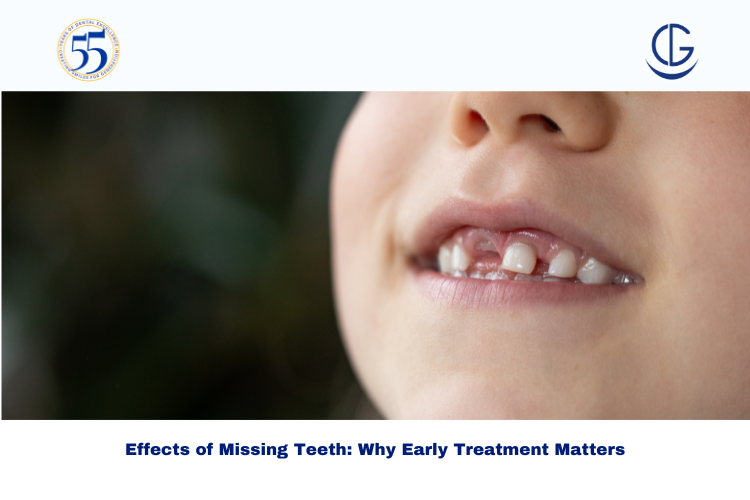
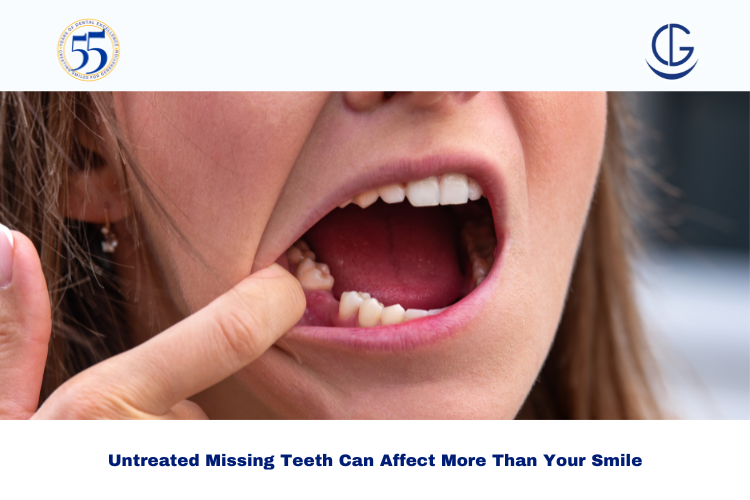
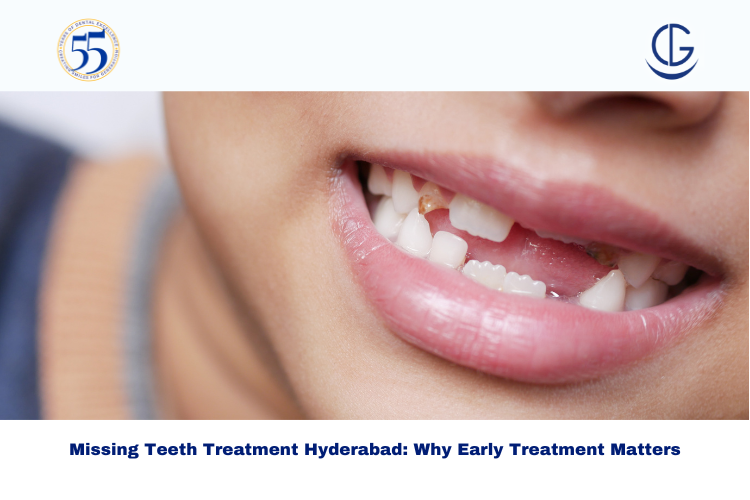
Effects of missing teeth are often underestimated, but even the loss of a single tooth can quietly trigger a chain reaction that affects your oral health, facial structure, and overall quality of life. Many patients in Hyderabad delay treatment thinking one missing tooth is not a major concern. In reality, untreated tooth loss can lead to jawbone deterioration, bite imbalance, speech issues, and long-term dental complications.
At Dr Gowds Dental Hospitals, we frequently see patients who come in months or years after losing a tooth, unaware that early intervention could have prevented more complex problems. Recognized by many patients as the Best Dental Hospital in Hyderabad, our team focuses on both restoring smiles and protecting long-term oral health.
If you have one or more missing teeth, book a consultation at Dr Gowds Dental Hospitals today and speak with an experienced orthodontist or prosthodontist.
Tooth loss affects far more than appearance. Teeth work together as a system. When one is missing, the balance is disturbed.
Common causes of missing teeth include:
Regardless of the cause, the effects of missing teeth on oral health begin almost immediately if not addressed.
One of the most significant consequences of missing teeth is bone loss in the jaw.
Patients come to us years after tooth loss, only to learn that additional bone grafting is required. Early replacement helps preserve natural bone structure.
When a tooth is missing, nearby teeth naturally start moving into the empty space.
This is why orthodontists at Dr Gowds Dental Hospitals emphasize timely replacement or alignment correction, especially for working professionals and young adults in Hyderabad.
Gaps created by missing teeth often trap food particles and bacteria.
Over time, this can lead to:
Patients who delay treatment often require more extensive periodontal care later. Addressing missing teeth early helps protect remaining natural teeth.
Teeth play a crucial role in:
Missing teeth can cause:
Many patients in Hyderabad report avoiding social situations or certain foods due to embarrassment or discomfort caused by missing teeth.
Long-term tooth loss can visibly change facial appearance.
This happens because bone loss reduces facial support. Replacing missing teeth helps maintain a youthful facial structure.
When left untreated, missing teeth can trigger multiple interconnected problems:
These effects of missing teeth on oral health are cumulative. What starts as a small gap can become a complex dental issue.
Ideally, missing teeth should be evaluated as soon as possible.
You should consult a specialist if:
Early intervention reduces treatment time, cost, and complexity.
Visit Us at Gachibowli, Madhapur, Koti, Nanakramguda.
Yes. Jawbone loss often happens silently. Even without pain, bone density starts reducing once a tooth is missing, which can affect future treatment options.
Absolutely. Timely replacement helps stop bone loss, prevents nearby teeth from shifting, and maintains a healthy bite and jaw balance.
Yes. Missing teeth reduce chewing efficiency, which can strain remaining teeth and affect digestion due to improper breakdown of food.
Most modern treatments are minimally invasive and planned with patient comfort in mind. Proper evaluation and technology make the experience much smoother than many expect.
Delaying treatment can lead to increased bone loss, bite changes, gum problems, and more complex procedures later. Early care is always simpler and more predictable.
 Gachibowli Branch