

Schedule Appointment

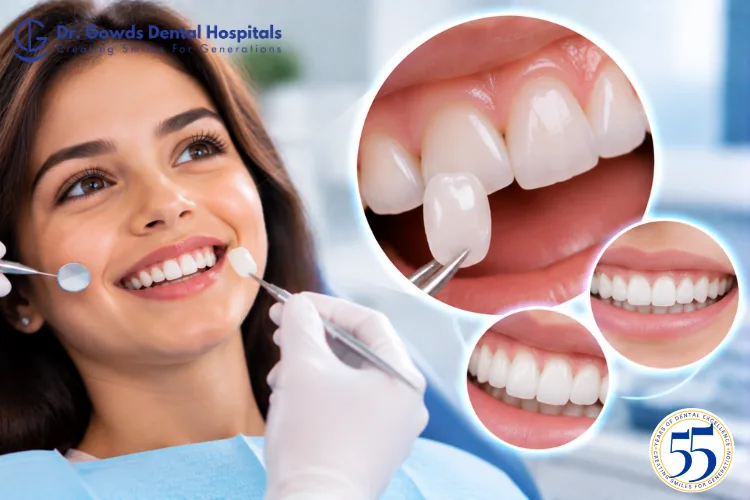
A beautiful smile can improve confidence, but many people considering veneers have one important question: How long do veneers last? Dental veneers are a popular cosmetic dentistry treatment used to improve the appearance of chipped, stained, uneven, or slightly misaligned teeth. However, understanding their lifespan, maintenance requirements, and when they may need replacement can help you make an informed decision.
With proper care and regular dental visits, veneers can provide a long-lasting smile transformation. At Dr Gowds Dental Hospitals in Hyderabad, our dental specialists help patients choose the right cosmetic dental treatment based on their smile goals, tooth condition, and long-term oral health.
Looking for a smile makeover with veneers in Hyderabad? Book a consultation at Dr Gowds Dental Hospitals’ branches in Nanakramguda, Gachibowli, Madhapur, koti to understand if veneers are the right option for you.
Dental veneers are thin, custom-made shells placed on the front surface of teeth to improve their appearance. They are designed to match the natural colour, shape, and size of your teeth while creating a more balanced smile.
Veneers are commonly used to address:
Depending on the material used, veneers are mainly classified into two types:
Porcelain veneers are made from high-quality ceramic materials and are known for their natural appearance, stain resistance, and durability.
Benefits include:
Composite veneers are made using tooth-coloured resin material applied directly to the teeth.
Benefits include:
However, composite veneers generally have a shorter lifespan compared to porcelain veneers.
The lifespan of veneers depends on several factors, including the material used, oral hygiene habits, bite pressure, and regular dental care.
On average:
Some patients may enjoy longer-lasting results when veneers are properly placed and maintained.
The longevity of veneers depends not only on the veneer material but also on the health of the natural teeth underneath.
Several daily habits and dental conditions can influence how long your veneers continue to look and function well.
Good oral hygiene is one of the most important factors in maintaining veneers.
Regular brushing, flossing, and dental check-ups help prevent:
Although veneers themselves cannot develop cavities, the natural tooth structure underneath them still needs protection.
The material plays an important role in determining durability.
Porcelain veneers generally have a longer lifespan because they are:
Composite veneers may require more frequent maintenance due to wear and staining.
Habits like teeth grinding (bruxism) can place excessive pressure on veneers.
This may lead to:
Patients who grind their teeth may benefit from wearing a custom night guard recommended by their dentist.
Certain habits can affect veneer durability.
Avoid frequently using teeth to bite hard objects such as:
Reducing excessive consumption of staining substances like coffee, tea, and tobacco can also help maintain a brighter smile.
No, veneers are not considered permanent. While they are designed to be durable and long-lasting, they may eventually need replacement due to normal wear, damage, or changes in the supporting teeth and gums.
The replacement timeline varies from person to person.
Veneers may need replacement if you notice:
Regular dental examinations can help identify problems early and protect your smile.
For many patients, porcelain veneers are a preferred option because they offer a combination of aesthetics and durability.
Porcelain veneers can provide:
However, veneers may not be suitable for everyone. A dental consultation is important to evaluate factors such as:
A personalised treatment plan helps ensure better long-term results.
With the right care, you can help extend the lifespan of your veneers.
Brush twice daily with a soft-bristled toothbrush and clean between teeth regularly.
Routine dental check-ups allow your dentist to monitor:
Do not use your teeth as tools or bite extremely hard foods.
A mouthguard can help prevent accidental damage during contact sports.
If you grind your teeth at night, discuss protective options with your dentist.
Veneers are one option among several cosmetic dentistry treatments. The right choice depends on your specific dental needs.
Best suited for:
Best suited for:
Best suited for:
Best suited for:
A dentist can recommend the most suitable option after examining your teeth.
Even though veneers are designed to be long-lasting, they may eventually require replacement. Knowing the warning signs can help prevent further dental issues and maintain your smile.
You may need to consult your dentist if you notice:
A dental professional can examine the veneers and determine whether repair, adjustment, or replacement is needed.
The solution depends on the type and extent of damage.
Minor issues with composite veneers may sometimes be repaired. However, porcelain veneers that are significantly cracked or damaged usually need replacement because the material cannot always be restored effectively.
Your dentist will evaluate:
This helps ensure the next treatment provides better comfort and durability.
A smile makeover is not only about improving appearance; it is also about creating results that fit your lifestyle and dental health.
Many patients choose veneers because they can help create:
However, veneers require commitment. Good oral hygiene, regular dental visits, and avoiding harmful habits play an important role in protecting your investment.
The veneer treatment process usually involves multiple steps to ensure a comfortable and natural-looking result.
Your dentist examines your teeth, gums, bite, and smile appearance. Digital imaging or photographs may be used to plan the treatment.
The dentist discusses:
A small amount of enamel may be prepared from the tooth surface to create space for the veneer. The amount depends on the individual case.
Your veneers are designed according to your tooth measurements and smile requirements.
The veneers are carefully bonded to the teeth after checking their fit, colour, and appearance.
Proper aftercare can help maintain your veneers for many years.
Follow these recommendations:
Remember, veneers improve the appearance of your teeth, but they do not replace regular dental care.
Porcelain veneers usually last around 10–15 years or longer with proper care, while composite veneers generally last around 5–7 years. Lifespan depends on oral hygiene, dental habits, bite pressure, and maintenance.
No, porcelain veneers are not permanent. They are considered a long-term cosmetic dental treatment but may eventually need replacement due to normal wear, damage, or changes in oral health.
You can extend the lifespan of veneers by maintaining good oral hygiene, visiting your dentist regularly, avoiding hard foods, protecting your teeth from grinding, and following aftercare instructions.
When planned and placed correctly by a qualified dentist, veneers are designed to preserve as much natural tooth structure as possible. A dental evaluation is important before treatment.
The replacement time depends on the veneer material and individual care. Porcelain veneers may last 10–15 years or more, while composite veneers may need replacement sooner.
Veneers and teeth whitening solve different concerns. Whitening is suitable for improving tooth colour, while veneers can address colour, shape, size, and minor cosmetic imperfections.
Porcelain veneers are highly stain-resistant compared to natural teeth. However, the surrounding natural teeth can still stain due to food, beverages, and lifestyle habits.
Most patients experience minimal discomfort during veneer treatment. Your dentist will ensure the procedure is comfortable and explain each step before treatment.
 Gachibowli Branch