

Schedule Appointment

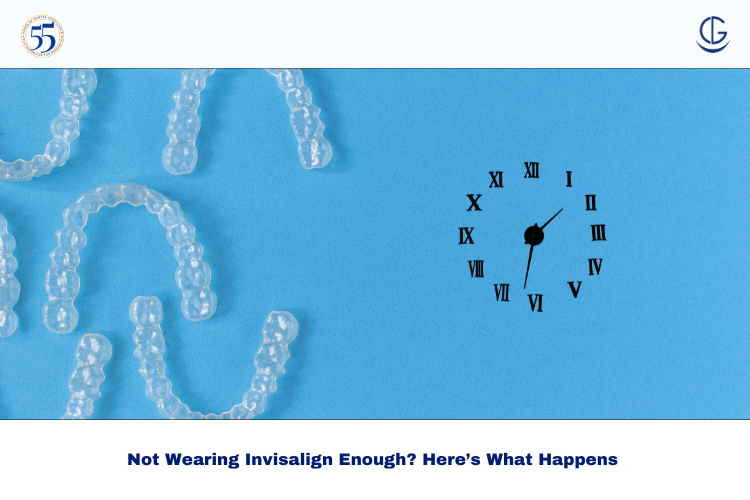
Invisalign wear time is one of the most important factors that determines whether your treatment stays on track or becomes delayed. Invisalign aligners are designed to work only when they are worn consistently, applying gentle and continuous pressure to move teeth gradually into their planned positions.
Many patients assume that removing aligners for a few extra hours occasionally will not affect results. However, inconsistent wear can slow down tooth movement, affect aligner fit, and even increase overall treatment time.
At Dr Gowds Dental Hospitals, patients are guided carefully throughout their aligner journey to ensure optimal results and avoid common mistakes that interfere with treatment progress. Understanding why the recommended 20–22 hour Invisalign wear time matters can help you achieve a straighter smile more efficiently.
Unlike fixed braces that work continuously, Invisalign aligners are removable. This flexibility is convenient, but it also means treatment success depends heavily on patient compliance.
The aligners are engineered to move teeth in controlled stages. If they are not worn for the recommended duration, the teeth may begin shifting back toward their previous positions, disrupting the planned movement process.
Consistent Invisalign wear time helps:
One of the most common consequences of poor Invisalign wear time is delayed treatment progress.
Aligners are designed based on a specific movement schedule. If they are not worn consistently, teeth may not shift as expected before the next tray change. This can extend the total duration of treatment significantly.
Even missing a few hours daily over several weeks can slow progress.
When aligners are removed too often or left out for extended periods, teeth can begin shifting back slightly.
As a result:
Poor-fitting aligners are often a sign that Invisalign wear time has not been maintained properly.
Teeth naturally tend to return toward their original positions when pressure is not maintained consistently.
Skipping recommended Invisalign wear time repeatedly may cause:
This can affect final results and may require additional treatment later.
If teeth fail to move according to the planned schedule, refinement trays may become necessary.
These additional aligners are used to correct movements that did not complete properly during the original treatment phase. Inconsistent Invisalign wear time increases the likelihood of needing refinements.
Invisalign treatment is digitally planned with precise tooth movements.
When aligners are not worn as instructed:
Predictability decreases when wear time is inconsistent.
Some Invisalign treatments involve small tooth-colored attachments placed on teeth to help aligners grip and move them effectively.
If aligners are not worn enough:
This can compromise overall treatment effectiveness.
Patients sometimes underestimate how quickly teeth can shift.
Even during active treatment, inconsistent Invisalign wear time may allow teeth to partially relapse between trays. This creates instability and affects future aligner progression.
Successful treatment depends on building consistent habits.
Many patients forget to reinsert aligners after eating. Reinserting them immediately after brushing helps maintain proper daily wear time.
Avoid removing aligners frequently for:
The longer aligners stay out, the more treatment progress is affected.
Using reminders or aligner tracking apps can help patients stay disciplined and maintain recommended Invisalign wear time consistently.
Keeping your aligners safely stored reduces the risk of forgetting or misplacing them during the day.
Occasionally forgetting your aligners for a short period is common and usually manageable if corrected quickly.
However:
If your aligners suddenly feel very tight after reinserting them, it may indicate insufficient wear time.
You may not be wearing your aligners long enough if you notice:
Early correction helps avoid larger treatment setbacks.
Invisalign treatment success depends heavily on consistency. Maintaining the recommended Invisalign wear time allows teeth to move correctly, keeps treatment on schedule, and improves the predictability of results.
Skipping hours regularly may seem minor at first, but over time it can lead to poor aligner fit, delayed progress, and additional treatment requirements.
At Dr Gowds Dental Hospitals, patients receive continuous guidance and expert monitoring throughout their Invisalign journey to help achieve smoother, faster, and more effective smile transformation results.
Visit us at-
Dr gowds dental hospital Nanakramguda
Dr gowds dental hospital Gachibowli
Dr gowds dental hospital madhapur
Occasionally wearing aligners slightly less may not cause major issues, but repeated inconsistency can delay treatment and affect results.
No, Invisalign requires consistent daily wear to apply continuous pressure. Night-only use is generally not effective for active treatment.
A short delay may cause temporary tightness when reinserting trays, but repeated missed days can disrupt treatment progress.
Tightness often means teeth started shifting back because the aligners were out for too long.
Yes, insufficient Invisalign wear time is one of the most common reasons for treatment delays and refinement trays.
 Gachibowli Branch