

Schedule Appointment


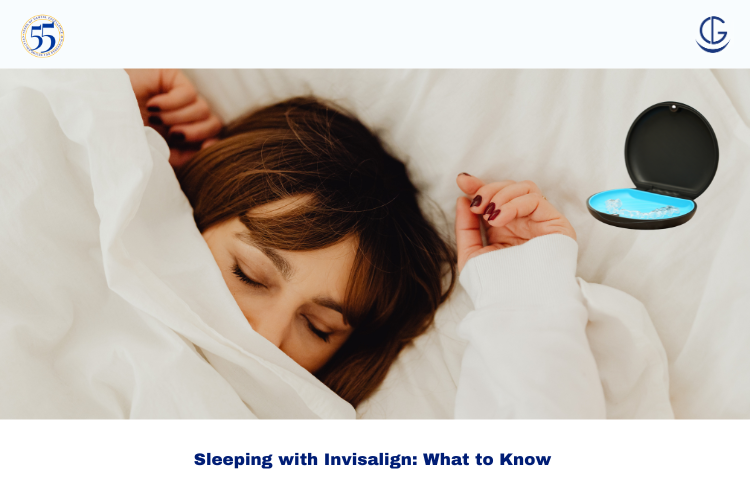
If you’ve recently started using Invisalign aligners, you probably have plenty of questions about daily wear — especially at night. At Dr Gowds Dental Hospitals, orthodontic specialists frequently help patients understand how to wear Invisalign correctly for faster and more comfortable results.
Can you sleep with Invisalign?
The short answer is yes — you absolutely should sleep with Invisalign. In fact, wearing your aligners overnight is essential for keeping your treatment on track.
In this guide, we’ll answer the most common questions about sleeping with Invisalign, nighttime wear, comfort, cleaning habits, and what happens if you forget to wear your aligners.
Yes, Invisalign aligners are designed to be worn while sleeping.
Orthodontists recommend wearing Invisalign trays for 20–22 hours per day. Since most people sleep for 7–8 hours each night, nighttime wear is a major part of your treatment progress.
Removing your aligners before bed can slow down tooth movement and may cause your trays to stop fitting properly.
Your aligners apply gentle, continuous pressure to gradually move your teeth into their ideal position. Consistency is the key to successful treatment.
When you wear Invisalign overnight:
Skipping nighttime wear repeatedly may extend your treatment timeline.
Most patients adjust to sleeping with Invisalign within a few days.
At first, you may notice:
These symptoms are temporary and usually improve as your mouth adapts to the aligners.
Compared to traditional braces, Invisalign is generally considered more comfortable because there are no metal brackets or wires irritating the cheeks and gums.
Missing one night occasionally may not seriously affect your treatment. However, repeated overnight removal can lead to problems such as:
If you accidentally forget your aligners overnight:
No, Invisalign trays are custom-made to fit snugly over your teeth. They generally stay securely in place while sleeping.
If your aligners feel loose or fall out frequently, it may indicate:
In these cases, consult your Invisalign provider.
No. Invisalign should remain in your mouth during sleep.
The only times you should remove your aligners are:
Leaving them out for long periods overnight can interfere with treatment progress.
Here are a few simple tips that can make nighttime wear easier:
Many orthodontists recommend changing to a new aligner set at night. This allows your teeth several uninterrupted hours to adjust to the tighter trays while you sleep.
Always rinse and brush your aligners before bedtime to prevent bacteria buildup and bad odors.
Dry mouth can occur during the first few days of treatment. Drinking enough water may help improve comfort.
Chewies help seat your aligners properly and improve tray fit before bedtime.
Wearing Invisalign consistently every night helps your mouth adapt more quickly.
Most patients sleep normally with Invisalign after the initial adjustment period.
Some people may experience temporary discomfort during the first few nights after switching trays, but this usually fades quickly.
If pain becomes severe or prevents sleep regularly, speak with your orthodontist to ensure the treatment is progressing correctly.
Sleeping with Invisalign is not only safe — it’s necessary for achieving the best treatment results. Wearing your aligners consistently overnight helps keep your teeth moving correctly and prevents unnecessary delays.
If you experience ongoing discomfort, loose trays, or fit issues, consult your orthodontist promptly to keep your treatment on track.
At Dr Gowds Dental Hospitals, experienced orthodontists help patients achieve successful Invisalign treatment with personalized care, digital treatment planning, and expert smile correction solutions.
With proper care and consistent nighttime wear, Invisalign can help you achieve a straighter, healthier smile comfortably and discreetly.
Visit us at-
Dr gowds dental hospital Nanakramguda
Dr gowds dental hospital Gachibowli
Dr gowds dental hospital madhapur
Yes. Invisalign aligners are designed to be worn overnight and should stay in your mouth while sleeping. Nighttime wear is essential to meet the recommended 20–22 hours of daily usage for effective treatment.
Missing one night occasionally may not cause major issues, but repeated overnight removal can delay treatment, make trays feel tighter, and cause teeth to shift back slightly. Put your aligners back in as soon as possible and wear them consistently afterward.
Yes. Mild pressure or tightness is completely normal, especially when switching to a new set of aligners. This usually improves within a few days as your teeth adjust.
No. Invisalign trays are custom-made to fit securely over your teeth and generally stay in place during sleep. If your trays feel loose or fall out frequently, consult your orthodontist for a fit evaluation.
To improve comfort, clean your aligners before bed, stay hydrated, use orthodontic chewies for proper tray seating, and switch to new aligners at night so your teeth can adjust while you sleep.

 Gachibowli Branch