

Schedule Appointment


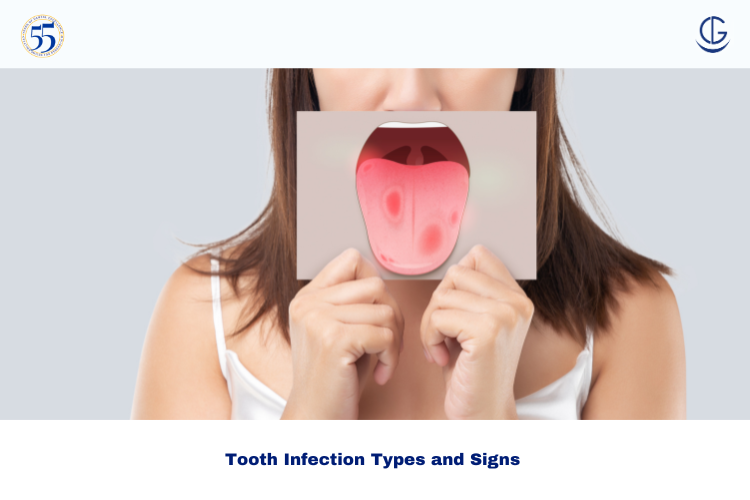
A mouth infection is not always limited to a simple toothache or mild gum swelling. Infections inside the mouth can spread quickly into the gums, jaw, face, and surrounding tissues if left untreated. In severe cases, they may even become life-threatening emergencies.
At Dr Gowds Dental Hospital, specialists regularly treat serious dental infections including dental abscesses, pericoronitis, gum infections, and facial cellulitis using advanced diagnostic imaging and modern pain-management techniques. Early diagnosis is critical because oral infections can worsen rapidly without treatment.
This guide explains the major types of mouth infections, their warning signs, emergency symptoms, and when you should seek immediate dental care.
A mouth infection occurs when bacteria, fungi, or viruses invade tissues inside the oral cavity. The infection may affect:
Some infections remain localized, while others spread aggressively into deeper tissues.
A dental abscess is one of the most common and painful mouth infections.
It develops when bacteria infect the inner pulp of a tooth or surrounding gum tissues. Pus collects inside the infected area, creating pressure and swelling.
A dental abscess should never be ignored because the infection can spread into nearby tissues and bone.
2. Pericoronitis
Pericoronitis is an infection that develops around a partially erupted wisdom tooth.
When wisdom teeth do not fully emerge, a flap of gum tissue can trap food particles and bacteria beneath it, leading to infection.
Pericoronitis can become severe very quickly if the infection spreads into surrounding tissues.
At Dr Gowds Dental Hospital, digital scans help evaluate impacted wisdom teeth and determine whether cleaning, medication, or extraction is required.
3. Cellulitis
Cellulitis is a serious bacterial infection that spreads into the soft tissues of the face, jaw, or neck.
Unlike a localized abscess, cellulitis spreads diffusely through tissue spaces and may become a medical emergency.
Cellulitis requires urgent treatment because the infection can spread toward the airway or bloodstream.
4. Gum Infection (Periodontal Infection)
Gum infections develop when plaque and bacteria accumulate around the gums.
Early-stage gum infection is called gingivitis, while advanced infection is called periodontitis.
Advanced periodontal disease can damage the bone supporting the teeth.
5. Oral Thrush (Fungal Infection)
Oral thrush is caused by an overgrowth of Candida fungus.
It commonly affects:
Some symptoms indicate the infection may be spreading deeper into tissues.
Seek immediate dental attention if you notice:
These symptoms may indicate abscess formation, pericoronitis, or cellulitis.
A mouth infection becomes an emergency when swelling or infection begins spreading beyond the tooth or gums.
Swelling that spreads into the cheeks, jaw, or neck requires urgent care.
This may indicate the infection is spreading systemically.
Swelling near the throat can become dangerous quickly.
This is a medical emergency and requires immediate treatment.
Large abscesses may release pus and cause foul taste or odor.
Difficulty opening the mouth may indicate spreading infection.
Treatment depends on the cause and severity of infection.
Used to control bacterial spread and reduce swelling.
Removes infection from inside the tooth while saving the natural tooth.
Often recommended for severe or recurrent pericoronitis.
Helps release trapped pus and reduce pressure.
Used to remove bacteria beneath the gums.
Severe cellulitis or spreading infections may require emergency medical care.
Good oral hygiene reduces the risk of serious dental infections.
Regular dental checkups help detect problems before infections become severe.
A mouth infection should never be ignored. Conditions like dental abscesses, pericoronitis, cellulitis, and severe gum infections can worsen quickly and lead to serious complications if left untreated. Symptoms such as swelling, severe pain, pus discharge, fever, or difficulty swallowing require prompt dental attention.
At Dr Gowds Dental Hospital, experienced specialists provide advanced diagnosis and treatment for dental infections using modern imaging, painless treatment techniques, and emergency dental care protocols.
Seeking treatment early can help relieve pain, prevent complications, and protect both your oral health and overall health.
Visit us at-
Dr gowds dental hospital Nanakramguda
Dr gowds dental hospital Gachibowli
Dr gowds dental hospital madhapur
Cellulitis is one of the most serious dental infections because it can spread rapidly into facial tissues and affect breathing or swallowing.
Pericoronitis is an infection around a partially erupted wisdom tooth caused by trapped food and bacteria beneath the gum tissue.
No. A dental abscess usually requires professional treatment such as drainage, antibiotics, or root canal therapy.
Facial swelling becomes dangerous when it spreads rapidly, causes fever, difficulty swallowing, or affects breathing.
Treatment may include antibiotics, drainage of abscesses, root canal treatment, wisdom tooth extraction, deep cleaning, or emergency hospital care depending on the severity of infection.


 Gachibowli Branch