

Schedule Appointment

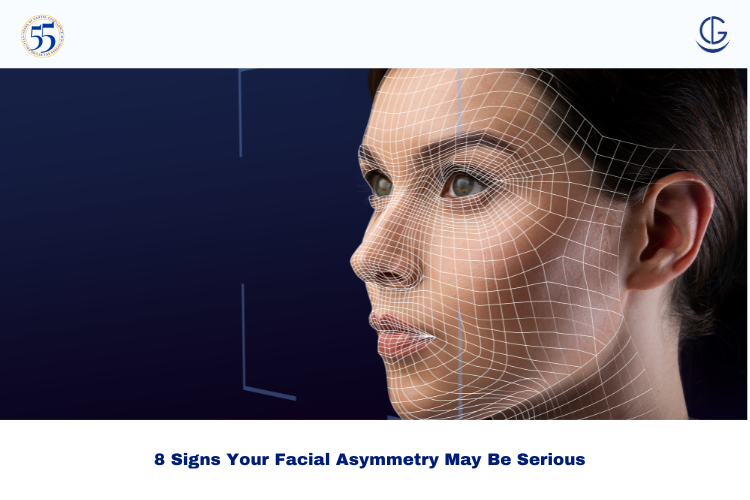
Many people look in the mirror or at photos of themselves and wonder: is my face asymmetrical? In most cases, small differences between the two sides of the face are completely normal. No human face is perfectly symmetrical.
However, when facial imbalance becomes more noticeable, it may sometimes indicate underlying dental, muscular, or jaw-related issues. Uneven smiles, shifting jawlines, bite problems, and facial muscle imbalance can all contribute to asymmetry over time.
At Dr Gowds Dental Hospitals, specialists frequently evaluate patients concerned about uneven facial appearance, jaw imbalance, and smile asymmetry. Understanding the warning signs can help determine whether the asymmetry is simply natural variation or something that deserves professional attention.
This guide explains the most important signs of facial asymmetry, possible causes, and when it may be time to seek evaluation.
You can look for visible differences in the smile, chin position, jaw width, bite, facial movement, and overall balance between the two sides of the face.
Mild differences are common and do not necessarily indicate a problem. What matters more is whether the asymmetry is increasing, affects function, or is associated with symptoms such as jaw pain, bite changes, or difficulty chewing.
If you want a more structured self-check, use our facial asymmetry test.
One of the most common signs of facial asymmetry is an uneven smile.
You may notice:
An uneven smile can develop due to:
If you have been wondering is my face asymmetrical, your smile is often one of the first places where imbalance becomes visible.
A chin that sits slightly left or right of the facial midline may indicate jaw asymmetry.
This may happen because of:
Even small chin deviations can affect overall facial balance.
In many cases, patients asking is my face asymmetrical first notice the issue through photographs where the chin appears off-center.
One side of the lower face may appear wider, fuller, or more muscular than the other.
Possible contributors can include:
A wider-looking jaw does not automatically mean there is a dental or TMJ problem. The cause can be muscular, structural, dental, or simply part of normal facial variation.
If the difference is new, increasing, painful, or associated with jaw symptoms, a professional evaluation may be useful.
Small differences in eye or eyebrow height are common and may simply reflect natural facial structure.
Possible reasons can include:
A difference in eye or eyebrow height by itself does not usually confirm a dental or jaw problem.
If the change appears suddenly or is associated with facial weakness, drooping, numbness, difficulty closing one eye, or other neurological symptoms, seek prompt medical evaluation.
Photos can make facial asymmetry look more noticeable because of camera angle, lens distortion, lighting, facial expression, and the difference between a photograph and the mirrored image you are used to seeing.
A photo alone cannot tell you whether the asymmetry is clinically significant. It is more useful to look for consistent differences across multiple images and to consider whether there are also bite, jaw, or movement-related symptoms.
For a detailed explanation, read why your face may look asymmetrical in photos and videos.
An uneven bite can be an important clue when facial asymmetry may be related to the teeth or jaw.
You may notice:
These signs do not prove that the bite is causing facial asymmetry, but they may suggest that a dental or orthodontic evaluation would be useful.
A clinical examination can help determine whether the concern is mainly dental, muscular, skeletal, or part of normal facial variation.
Jaw symptoms can sometimes occur alongside facial asymmetry, especially when there are differences in jaw movement, muscle use, or bite function.
Common symptoms may include:
These symptoms do not necessarily mean TMJ problems are causing the facial asymmetry, but they can be useful clues during evaluation.
If jaw symptoms are persistent, painful, worsening, or affecting chewing or mouth opening, a dental or TMJ assessment may be appropriate.
Differences in facial fullness can make one side of the face appear more prominent, puffier, or more defined.
Possible reasons may include:
A small difference in fullness can be part of normal facial variation.
However, if one side becomes suddenly swollen, painful, or noticeably different over a short period, it should be evaluated promptly because the cause may not be related to normal facial asymmetry.
Several factors may contribute to facial imbalance.
Most facial asymmetry is completely harmless.
Minor differences in:
are part of natural human facial variation.
Treatment depends on the underlying cause.
When asymmetry is related to tooth position, bite imbalance, jaw function, muscle use, or skeletal differences, different treatment approaches may be considered.
Depending on the diagnosis, options may include:
Not every type of facial asymmetry requires treatment, and the amount of visible improvement varies from person to person.
For a complete overview, see facial asymmetry treatment in Hyderabad.
A professional evaluation may be useful if facial asymmetry:
Sudden facial drooping, weakness, numbness, or difficulty speaking should be treated as a medical emergency rather than a routine dental concern.
At Dr Gowds Dental Hospitals, advanced facial analysis helps patients better understand the causes of facial asymmetry and explore personalized treatment options.
Visit us at-
Dr gowds dental hospital Nanakramguda
Dr gowds dental hospital Gachibowli
Dr gowds dental hospital madhapur
Yes, slight size differences between facial sides are common. However, significant imbalance may be related to muscle, bite, or jaw issues.
Yes. Almost everyone has some degree of facial asymmetry.
Braces may help when facial asymmetry is related to tooth position or bite imbalance. They cannot correct every cause of facial asymmetry, especially when the main cause is skeletal or unrelated to the teeth.
Smartphone cameras and lighting can exaggerate asymmetry because of lens distortion and facial angles.
You should seek evaluation if asymmetry worsens, affects chewing or jaw comfort, or becomes more noticeable over time.
 Gachibowli Branch