

Schedule Appointment


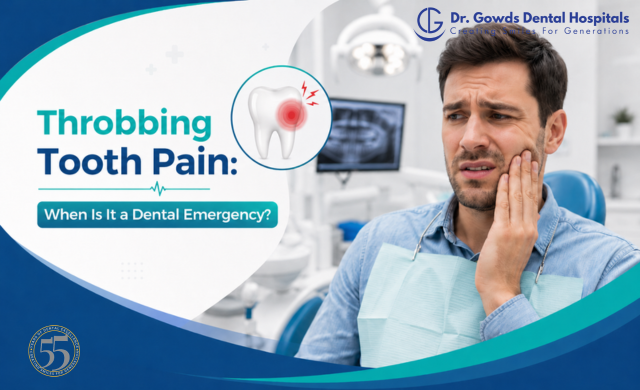
Throbbing tooth pain is often a sign of inflammation, infection, or damage inside a tooth. While mild tooth discomfort may resolve after treatment for sensitivity or a minor cavity, persistent throbbing pain usually indicates a problem that requires prompt dental care. If your tooth pain is accompanied by swelling, fever, pus, or difficulty swallowing, it may be a dental emergency that needs immediate attention.
At Dr. Gowds Dental Hospitals, advanced digital diagnostics and minimally invasive dental treatments help identify the exact cause of throbbing tooth pain and provide effective relief while preserving your natural teeth whenever possible.
Unlike occasional tooth sensitivity, throbbing tooth pain is a rhythmic, pulsating pain that may come and go or become constant over time. It often occurs when the nerve inside the tooth becomes inflamed due to infection, deep decay, trauma, or pressure.
Many people ignore throbbing tooth pain, hoping it will disappear on its own. Unfortunately, the pain usually indicates an underlying dental condition that may worsen if left untreated.
Understanding what causes this type of pain helps you know when to seek professional care and avoid serious complications.
Several dental conditions can cause throbbing tooth pain. Identifying the source is the first step toward effective treatment.
Deep cavities are one of the most common causes of severe tooth pain.
When decay reaches the inner layers of the tooth, bacteria irritate the dental pulp, causing inflammation and throbbing discomfort.
Early treatment with a filling can often prevent more extensive procedures.
An infected tooth pulp is a frequent cause of persistent throbbing tooth pain.
The infection develops when bacteria enter the pulp through untreated cavities, cracks, or trauma.
Symptoms may include:
Without treatment, the infection may spread beyond the tooth.
A dental abscess is a pocket of pus caused by bacterial infection.
This condition often produces intense throbbing tooth pain that may spread to the jaw, ear, or neck.
Other warning signs include:
A dental abscess requires immediate treatment.
Even small cracks may expose the sensitive inner tissues of the tooth.
Pain often worsens while biting and may become intermittent or constant depending on the depth of the fracture.
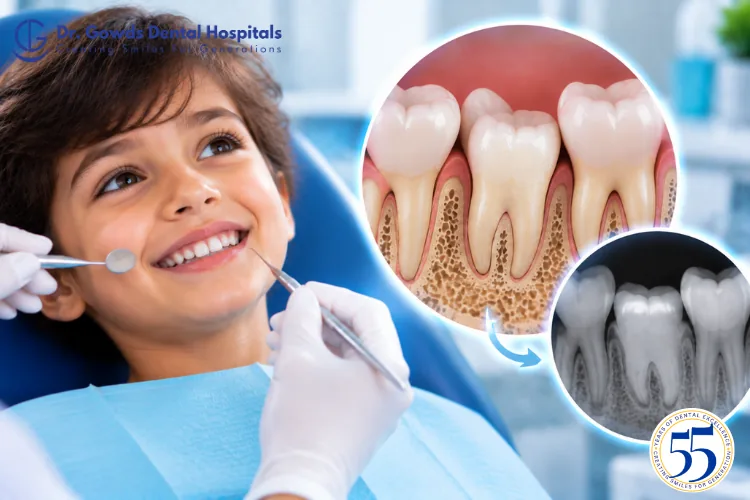
Advanced gum disease can expose tooth roots and create infections around the supporting tissues.
Patients may experience throbbing discomfort along with:
Wisdom teeth that do not erupt properly may place pressure on surrounding teeth and gums.
This commonly causes pain at the back of the mouth, swelling, and difficulty chewing.
Not every toothache requires emergency treatment.
However, throbbing tooth pain should never be ignored if it is associated with serious symptoms.
Seek immediate dental care if you experience:
These symptoms may indicate a spreading infection that requires urgent treatment.
Treatment depends entirely on the underlying cause.
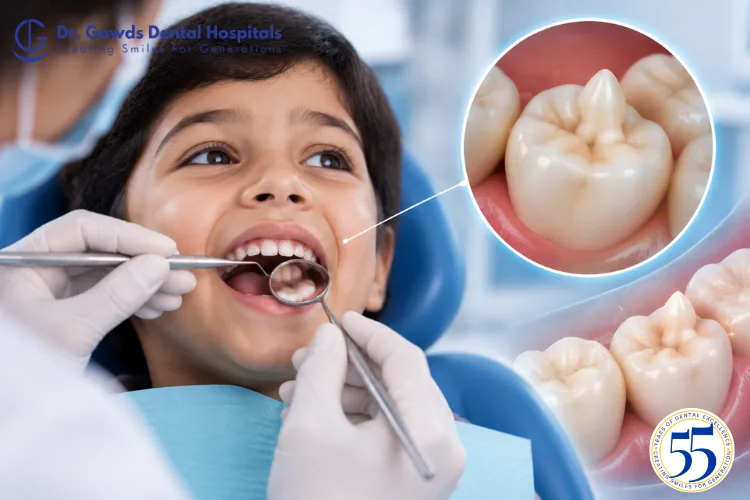
Small cavities can usually be treated with tooth-colored fillings before the infection reaches the pulp.
If infection reaches the dental pulp, root canal treatment removes the infected tissue while preserving the natural tooth.
Modern root canal treatment is safe, comfortable, and highly successful.
If the tooth cannot be saved because of severe damage or infection, extraction may be necessary.
Replacement options such as dental implants or bridges can restore function afterward.
Professional cleaning, scaling, and root planing help remove infection around the gums and improve oral health.
Large abscesses may require drainage along with antibiotics and treatment of the infected tooth.
Home remedies may temporarily reduce discomfort, but they do not treat the underlying problem.
Until you visit a dentist, you may:
If throbbing tooth pain continues or worsens, professional dental care is essential.
Many causes of tooth pain are preventable with good oral care.
Healthy habits include:
Preventive dental care reduces the risk of infections and emergency treatment.
Throbbing tooth pain is often more than just a simple toothache. It may indicate deep decay, infection, an abscess, gum disease, or another serious dental condition that requires prompt attention. Ignoring the pain can allow the problem to worsen, increasing the risk of tooth loss and other complications.
If you experience persistent throbbing tooth pain, especially with swelling, fever, or difficulty chewing, seek professional dental care as soon as possible. At Dr. Gowds Dental Hospitals, early diagnosis and advanced treatment can relieve pain, eliminate infection, and help protect your long-term oral health.
Visit us at-
Dr gowds dental hospital Nanakramguda
Dr gowds dental hospital Gachibowli
Dr gowds dental hospital madhapur
Throbbing tooth pain is commonly caused by deep tooth decay, infection, dental abscesses, cracked teeth, gum disease, or impacted wisdom teeth.
Not always. However, severe pain with swelling, fever, pus, or difficulty swallowing should be treated as a dental emergency.
Temporary pain may subside, but persistent throbbing usually indicates an underlying problem that requires professional treatment.
Treatment depends on the cause and may include fillings, root canal treatment, gum therapy, drainage of an abscess, or tooth extraction if the tooth cannot be saved.
You should schedule a dental appointment immediately if the pain lasts more than a day or two, worsens over time, is accompanied by swelling or fever, or interferes with eating, sleeping, or daily activities.

 Gachibowli Branch