

Schedule Appointment

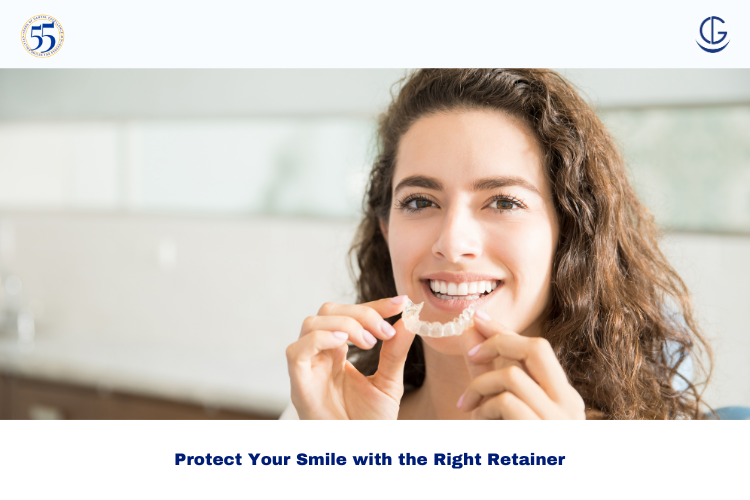
After months or even years of orthodontic treatment, your braces or aligners finally come off. Your teeth look straight, your bite feels comfortable, and your smile is exactly what you hoped for.
But treatment is not completely finished.
Without proper retention, teeth naturally tend to shift back toward their original positions. This is why orthodontists recommend retainers after braces or aligner treatment. Understanding the different types of orthodontic retainers can help you protect your new smile and maintain your treatment results for years to come.
At Dr. Gowds Dental Hospitals, orthodontic specialists create personalized retention plans to ensure that patients enjoy long-lasting results after braces, Invisalign, or other orthodontic treatments.
An orthodontic retainer is a custom-made appliance designed to hold teeth in their new position after orthodontic treatment.
Retainers help:
Since teeth can continue moving throughout life, many patients need long-term retainer wear to preserve their smile.
After orthodontic treatment, the bone and tissues around the teeth need time to stabilize.
Even perfectly aligned teeth may begin shifting because of:
This is why orthodontists often say that retainers are the most important part of maintaining orthodontic results.
There are three primary types of orthodontic retainers used today:
Each has its own advantages and limitations.
Hawley retainers are one of the oldest and most widely used types of orthodontic retainers.
They consist of:
Best For
Patients looking for a durable, long-term removable retainer.
Clear retainers have become increasingly popular due to their nearly invisible appearance.
They are made from transparent plastic and fit snugly over the teeth, similar to Invisalign aligners.
Common brands include:
Best For
Patients who prioritize aesthetics and comfort.
At Dr. Gowds Dental Hospitals, clear retainers are commonly recommended after Invisalign and cosmetic orthodontic treatments.
Fixed retainers are thin metal wires permanently attached behind the front teeth.
They are usually bonded to:
Because they remain in place continuously, they provide constant retention.
Best For
Patients with a high risk of relapse or severe pre-treatment crowding.
Many patients wonder which of the types of orthodontic retainers is best.
The answer depends on individual needs.
| Feature | Fixed Retainer | Removable Retainer |
| Visibility | Hidden | Hawley visible, clear retainers nearly invisible |
| Compliance Required | No | Yes |
| Cleaning | More challenging | Easier |
| Risk of Loss | None | Can be misplaced |
| Durability | Long-lasting | Varies by type |
| Maintenance | Professional monitoring | Home care required |
Many orthodontists recommend a combination of fixed and removable retainers for optimal long-term stability.
There is no universal answer.
The ideal retainer depends on:
For example:
Patients Who Value Appearance
Clear retainers are often preferred because they are nearly invisible.
Patients With Severe Crowding History
Fixed retainers may provide better long-term stability.
Patients Seeking Durability
Hawley retainers are often the most durable removable option.
This is one of the most common questions after braces.
Most orthodontists recommend:
First Few Months
Long-Term
Teeth can continue shifting throughout adulthood, making long-term retention important.
Proper maintenance helps extend the lifespan of retainers.
You may need a new retainer if:
Ignoring a damaged retainer can allow orthodontic relapse to occur.
Without retention, teeth may gradually move back toward their original position.
Potential consequences include:
Even minor tooth movement can affect the appearance of your smile.
At Dr. Gowds Dental Hospitals, orthodontists evaluate:
This allows the team to recommend the most suitable types of orthodontic retainers for long-term success.
Understanding the different types of orthodontic retainers is essential for maintaining the results of orthodontic treatment. Hawley retainers, clear retainers, and fixed bonded retainers each offer unique benefits depending on your needs and lifestyle. While braces or aligners straighten your teeth, retainers are what keep them that way.
At Dr. Gowds Dental Hospitals, orthodontic specialists provide customized retention solutions designed to protect your smile for years to come. Whether you have completed braces treatment or Invisalign therapy, choosing the right retainer and wearing it consistently is the key to preserving your orthodontic results.
Visit us at-
Dr gowds dental hospital Nanakramguda
Dr gowds dental hospital Gachibowli
Dr gowds dental hospital madhapur
The three main types of orthodontic retainers are Hawley retainers, clear removable retainers, and fixed bonded retainers. Each serves the same purpose of preventing teeth from shifting after orthodontic treatment.
The best retainer depends on your orthodontic needs, lifestyle, and risk of relapse. Clear retainers are popular for aesthetics, Hawley retainers for durability, and fixed retainers for continuous retention.
Most patients wear retainers full-time initially and then transition to nighttime wear. Many orthodontists recommend lifelong nighttime retainer use to maintain results.
Fixed retainers eliminate the need for patient compliance and are excellent for preventing relapse. However, removable retainers are easier to clean and maintain.
Yes. Teeth can shift throughout life due to aging, biting forces, and natural changes in the mouth. Consistent retainer use helps prevent unwanted movement and maintains your orthodontic results.
 Gachibowli Branch