
Schedule Appointment

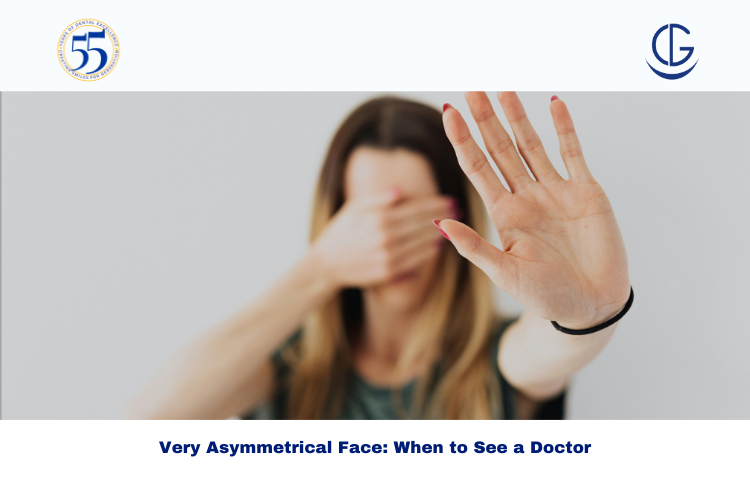
A very asymmetrical face is a part of what makes every face human and unique. But when the difference between the two sides of your face becomes very noticeable — affecting your smile, jaw, or confidence — it’s fair to ask: when does facial asymmetry cross the line from normal to something that needs attention?
At Dr. Gowd’s Dental Hospital in Hyderabad, we see patients at all points of this spectrum. This guide will help you understand the difference between normal variation and significant asymmetry — and know exactly when it’s time to get a professional opinion.
📞 Call: 08065295050 | 🌐Book a Consultation at Dr. Gowd’s Dental Hospital
Facial asymmetry exists on a spectrum. Mild asymmetry is nearly universal — most people can spot subtle differences if they look carefully. Moderate asymmetry is more visible but often doesn’t require treatment. A very asymmetrical face, however, is one where the imbalance is immediately obvious — where both sides of the face look distinctly different in shape, size, or proportion.
Very asymmetrical faces often involve one or more of the following:
• If your main concern is that one side of the face looks larger or puffier, see our guide on one side of the face looking bigger.
• The chin visibly deviates to one side
• One eye appears noticeably smaller or sits at a different level
• One cheek looks sunken or flat compared to the other
• The smile rises dramatically more on one side
• There is a noticeable shift in the lower face when biting down
For treatment options, see facial asymmetry treatment in Hyderabad
Facial asymmetry can be related to dental, skeletal, muscular, neurological, traumatic, or soft-tissue factors.
For a full explanation of causes, see our guide on why your face may look asymmetrical.
Not all facial asymmetry can wait. Seek urgent medical care if you experience:
• Sudden facial drooping or weakness on one side (could indicate stroke or Bell’s palsy)
• Numbness in the face without a known cause
• Rapid or recent change in facial appearance not explained by injury
• Difficulty closing the eye on one side
• Facial asymmetry accompanied by severe jaw pain, headaches, or vision changes
These symptoms require immediate evaluation by a medical doctor, not a dental clinic. If you are unsure whether the difference is noticeable, try our asymmetrical face test.
You should book a dental consultation for your very asymmetrical face when:
• The asymmetry is most visible in your jaw, chin, or smile area
• You notice you chew only on one side or your bite feels uneven
• You have jaw clicking, pain, or tension on one side
• You have missing teeth that have never been replaced
• Orthodontic or cosmetic dental treatment has been recommended before but never pursued
• The asymmetry has gradually worsened over months or years
At Dr. Gowd’s Dental Hospital, every facial asymmetry consultation follows a structured process:
• Digital Facial Scan: Precise mapping of facial proportions, jaw alignment, and bite relationship.
• Bite Analysis: Assessment of how your teeth meet and whether the bite is contributing to asymmetry.
• Muscle and TMJ Assessment: Evaluation of jaw muscle development and joint function on both sides.
• Personalised Treatment Plan: A clear, honest recommendation — whether that’s aligners, implants, bite therapy, or a referral to a maxillofacial specialist if needed.
Our goal is never to chase perfection, but to restore natural balance, improve function, and help patients feel confident in their own faces.
👉 Also read: How to Fix an Asymmetrical Face Without Surgery
👉 Wondering about costs? Read:Asymmetrical Face Correction Cost in Hyderabad
Not usually — but sudden facial asymmetry, drooping, or numbness can be a sign of stroke or nerve damage and requires immediate emergency medical care.
In many cases, yes — particularly when the asymmetry is dental or muscular in origin. Orthodontics, clear aligners, bite therapy, and dental implants can produce significant improvements without surgery.
Earlier is generally better for growing children, as bone structure is more adaptable. For adults, treatments remain effective at any age — but the approach may differ based on whether bones have fully developed.
Exercises may help mild to moderate muscle-based asymmetry, but for a very asymmetrical face — especially one with skeletal or dental causes — professional treatment is needed for meaningful improvement.
Call 08065295050 or visit drgowdsdental to book a consultation at our Gachibowli,Hyderabad clinic. We offer detailed facial scans and personalised treatment planning.
 Gachibowli Branch