

Schedule Appointment


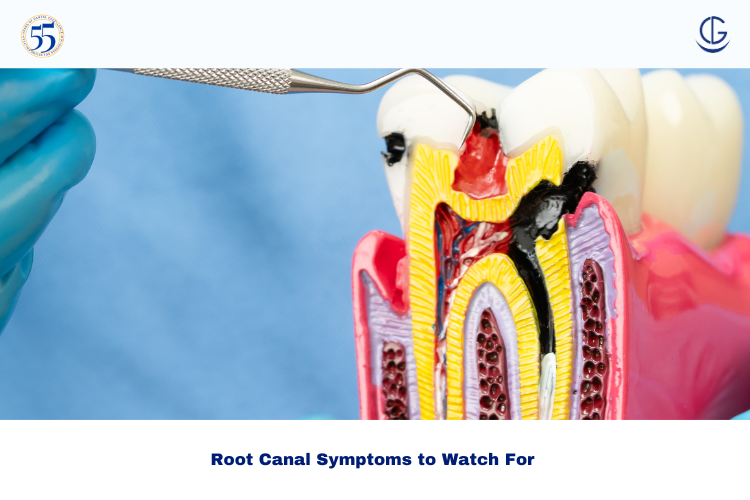
Tooth pain is not always just a minor cavity. In many cases, persistent discomfort can be one of the early signs you need a root canal. Ignoring these warning signs may allow the infection to spread deeper into the tooth and surrounding gums, leading to severe pain, swelling, or even tooth loss.
At Dr. Gowds Dental Hospitals, specialists use advanced digital scans and painless dentistry techniques to diagnose tooth infections early and save damaged teeth with modern root canal treatment.
If you are wondering whether your symptoms are serious, here are the most important signs you need a root canal.
A root canal treatment is a procedure used to remove infected or damaged pulp from inside the tooth. The pulp contains nerves and blood vessels, and when it becomes infected due to deep decay, cracks, trauma, or repeated dental procedures, it can cause severe discomfort and infection.
The goal of root canal treatment is to:
One of the biggest signs you need a root canal is constant or recurring tooth pain.
The pain may:
Some patients experience dull pain, while others feel sharp throbbing discomfort that interrupts sleep.
Persistent pain usually indicates inflammation or infection inside the tooth nerve.
Temporary sensitivity is common, but lingering sensitivity can be a warning sign.
You may notice:
When sensitivity continues after the temperature trigger is removed, it may indicate nerve damage inside the tooth.
This is another common sign you need a root canal.
Gum swelling near a painful tooth often signals infection.
Symptoms may include:
Infections inside the root can spread into nearby tissues, causing visible swelling and discomfort.
At Dr. Gowds Dental Hospitals, digital imaging helps identify hidden infections beneath the gums before they become more serious.
A tooth turning gray, brown, or dark yellow may indicate damage to the inner pulp.
When the nerve inside the tooth dies due to trauma or infection, blood supply decreases, causing discoloration.
Unlike regular stains, this color change usually affects only one tooth.
If discoloration is combined with pain or sensitivity, it can be one of the serious signs you need a root canal.
Pain when biting down often suggests inflammation around the tooth roots.
You may experience:
This symptom usually occurs when infection spreads to tissues surrounding the tooth root.
Ignoring bite pain can allow the infection to worsen over time.
A small bump on the gums that releases pus is often a sign of dental abscess.
Common symptoms include:
A dental abscess is a serious infection that requires immediate treatment.
Among all the signs you need a root canal, this is one of the most urgent.
When cavities become very deep, bacteria can reach the pulp and infect the nerve.
Similarly, cracked teeth allow bacteria to enter the inner tooth structure.
Common causes include:
If the tooth structure is still strong enough, root canal treatment can often save the natural tooth.
Yes. Some people show very few symptoms in the early stages.
Silent warning signs may include:
This is why regular dental visits are important even if pain is not severe.
Ignoring the signs may lead to:
Early treatment is always easier, less painful, and more affordable than emergency dental care.
Modern root canal treatment is far more comfortable than many people expect.
With:
Most patients experience relief from pain rather than pain during treatment.
At Dr. Gowds Dental Hospitals, specialists focus on painless root canal procedures designed to preserve natural teeth comfortably and safely.
Recognizing the early signs you need a root canal can help prevent severe pain, infection, and tooth loss. Symptoms like persistent toothache, sensitivity to hot and cold foods, swollen gums, pain while chewing, or tooth discoloration should never be ignored. Seeking treatment early increases the chances of saving your natural tooth and avoiding more complex dental procedures later.
At Dr. Gowds Dental Hospitals, experienced dental specialists provide advanced and painless root canal treatment using modern diagnostic technology and patient-friendly care. If you are experiencing any warning signs of tooth infection, an early dental consultation can help protect your oral health and restore comfort quickly.
Visit us at-
Dr gowds dental hospital Nanakramguda
Dr gowds dental hospital Gachibowli
Dr gowds dental hospital madhapur
The most common signs you need a root canal include persistent tooth pain, sensitivity to hot or cold foods, swollen gums, pain while chewing, tooth discoloration, and pus near the gums. These symptoms often indicate infection or damage inside the tooth pulp.
Yes. Some teeth with nerve damage or infection may not cause severe pain initially. Warning signs like darkened teeth, mild swelling, or occasional sensitivity can still indicate the need for root canal treatment.
Ignoring root canal symptoms can allow the infection to spread deeper into the tooth and surrounding tissues. This may lead to dental abscesses, severe swelling, bone damage, and even tooth loss.
Modern root canal treatment is usually not painful because dentists use local anesthesia and advanced dental technology. Most patients say the procedure feels similar to getting a regular filling, while the treatment itself helps relieve infection-related pain.
Most root canal treatments can be completed in one or two visits, depending on the severity of the infection and the condition of the tooth. Complex cases may require additional appointments for complete restoration.


 Gachibowli Branch