

Schedule Appointment


A dental clock is a simple way to understand how teeth can change across different stages of life. It does not literally tell your exact biological age, but dental development, wear, appearance, and history can offer useful clues about how a smile has changed over time.
At Dr Gowds Dental Hospitals, understanding these changes can help patients distinguish normal age-related differences from changes that deserve attention. Read on to learn what this concept means, how dental age is assessed, and why two people of the same age can have very different-looking teeth.
The dental clock is a descriptive term for the way teeth develop and change through life. It is not a literal clock or a precise test that calculates someone’s age.
Chronological age is the number of years since birth. Dental age refers to the stage of dental development or the characteristics observed in the teeth. These two ideas do not always look identical because dental appearance can be influenced by many individual factors.
Two people of the same age may have very different smiles because of:
This is why it should be viewed as a broad concept rather than an exact age calculator.
When people ask how teeth show biological age, they are generally referring to changes in development, tooth surfaces, color, shape, and dental history.
In children and teenagers, the development and eruption of primary and permanent teeth can help describe a person’s dental stage. The timing varies between individuals, so it should be interpreted as part of a broader picture.
Teeth are exposed to everyday use, and their surfaces can change over time. The amount and pattern of wear differ from person to person and may also be influenced by habits.
For that reason, tooth wear should not be treated as a simple age meter.
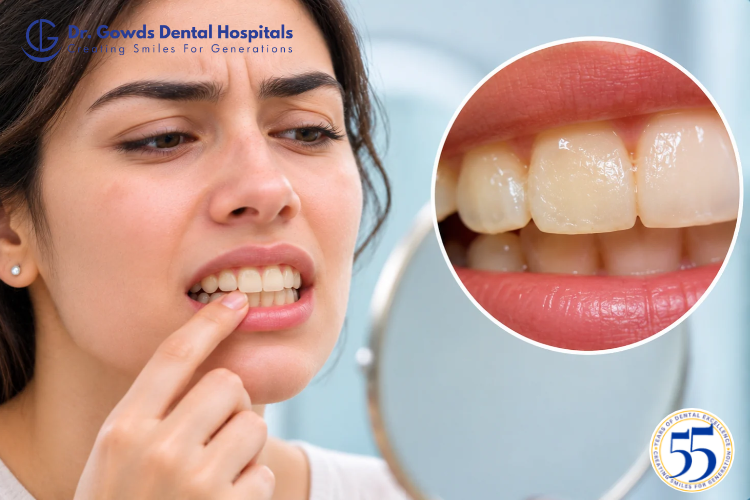
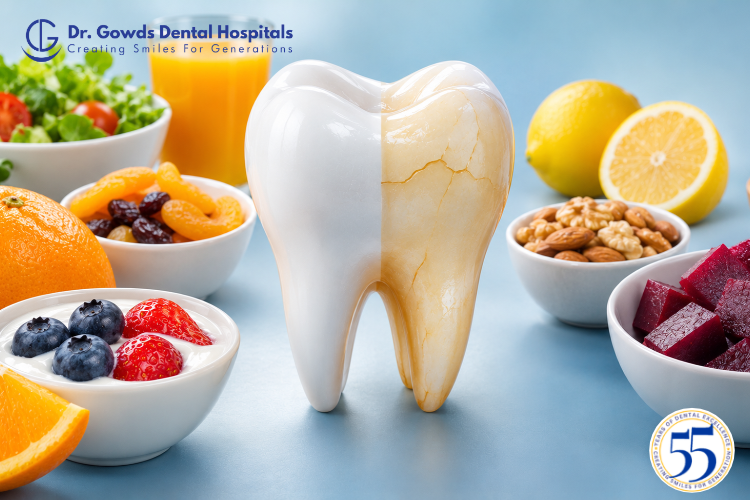
Teeth can look different as time passes. Age is only one possible influence. Food, beverages, oral hygiene, smoking, lifestyle, and previous dental treatment can also affect visible tooth color.
The appearance of a smile can also reflect previous dental experiences. Fillings, crowns, bonding, veneers, chips, spacing, or missing teeth may change how old or young a smile appears.
Dental age estimation means assessing dental development or other dental characteristics to form an estimate of age or developmental stage.
For younger people, the focus is often on tooth development and eruption. The sequence of dental development can provide context, although individual variation is important.
For adults, the picture is more complex because teeth have accumulated years of use and dental history. A broader assessment may consider tooth wear, visible tooth structure, color, restorations, and the person’s dental history.
There is no single feature that should be treated as a perfect age marker.
Dental appearance is not determined by age alone. Everyday habits and past dental experiences can influence how a smile looks.
Factors may include:
These factors do not provide a direct measure of biological age. They simply explain why smiles can look very different between people of the same age.
You cannot stop time, but you can take practical steps to maintain your teeth and smile over the years.
The goal is not to make your teeth look younger than they are. It is to maintain a comfortable, functional, and well-cared-for smile throughout life.
If you are concerned about changes in your teeth, Dr Gowds Dental Hospitals can help you understand what may be contributing to the change and discuss suitable care options.
It is easy to assume that teeth can reveal a person’s exact age, but that is not what the concept means.
| Chronological age | Dental age |
| Number of years since birth | Dental development or observed dental changes |
| Exact for an individual’s date of birth | An estimate or descriptive concept |
| Not affected by dental habits | Can vary with dental history and individual differences |
Understanding this difference is important when searching for information about how teeth show biological age. Dental characteristics can provide context, but they should not be treated as a substitute for a person’s actual age.
If your teeth look noticeably different, do not automatically assume that age is the only reason. A dental examination can help put the change into context.
Consider a consultation if you notice:
This concept is best understood as a way of describing how teeth develop and change throughout life, rather than as a precise biological-age test.
Teeth can offer clues about developmental stage, wear, appearance, and dental history. However, no single feature tells the complete story. Individual variation, habits, oral care, previous dental treatment, and age can all influence how a smile looks.
For patients in Hyderabad, Dr Gowds Dental Hospitals has branches in Nanakramguda, Gachibowli, Madhapur, koti. If you have noticed changes in your teeth and want to understand them better, consider scheduling a dental consultation.
This term describes how teeth can develop and change through different stages of life. It is not a literal clock or an exact age calculator.
Teeth can provide clues about dental development, wear, appearance, and history, but they cannot be used as a simple or exact measure of biological age.
Dental age estimation refers to assessing dental development or dental characteristics to form an estimate of age or developmental stage.
Tooth wear can be one part of understanding dental changes over time, but it varies between people and can also be influenced by habits and dental history.
Tooth color can change over time, but age is not the only influence. Diet, beverages, oral hygiene, lifestyle habits, and previous dental treatment can also affect appearance.
A dentist can observe dental characteristics related to development and change, but teeth should not be treated as a precise age calculator.
Consistent oral hygiene, appropriate daily care, avoiding habits that can damage teeth, and regular dental attention can help you maintain your smile over time.
If you notice a significant or persistent change, a dental consultation can help you understand what may be contributing to it and whether any care is appropriate.
 Gachibowli Branch