

Schedule Appointment

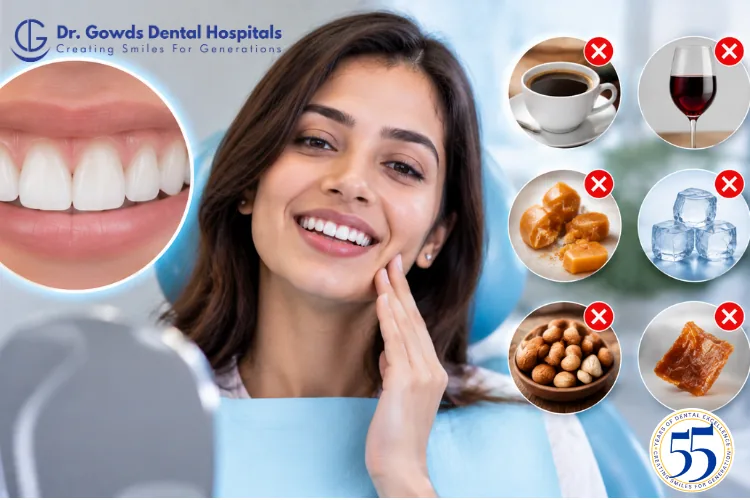
Dental veneers can improve the colour, shape, size, and overall appearance of your teeth. However, the first few days after getting veneers are important. Your teeth and gums may need a little time to adjust, and certain habits can put unnecessary pressure on newly placed veneers.
At Dr Gowds Dental Hospitals, patients are guided on how to care for their veneers after treatment so they can maintain their smile comfortably and protect their dental work over the long term.
If you have recently received veneers, knowing what to avoid during the first week can help reduce discomfort, prevent damage, and support a smoother recovery.
Dental veneers are thin shells placed over the front surface of teeth to improve their appearance. They may be recommended for concerns such as:
Veneers are commonly made from porcelain or other tooth-coloured dental materials.
Although veneers are designed to be durable, they are not completely resistant to damage. Proper veneer aftercare is especially important during the first few days after placement.
After veneers are placed, some people experience temporary tooth sensitivity or mild gum tenderness. You may notice sensitivity when eating hot, cold, sweet, or acidic foods.
Your bite may also feel slightly different while you become accustomed to the shape of your veneers.
During this adjustment period, avoiding excessive pressure and maintaining good oral hygiene can help protect your veneers and surrounding teeth.
One of the most important veneer aftercare instructions is to avoid biting directly into extremely hard foods.
Hard foods can place unnecessary pressure on veneers, particularly on the front teeth.
During the first week, avoid or be careful with:
If you want to eat firm fruits or vegetables such as apples or carrots, cut them into smaller pieces and chew them using your back teeth.
Veneers are designed for normal eating, not for opening or holding objects.
Avoid habits such as:
These habits can chip, crack, or loosen veneers.
Protecting your veneers begins with treating them as carefully as your natural teeth.
Temporary sensitivity after veneers is common in some patients.
Very hot tea, coffee, soups, ice creams, or chilled drinks may trigger sensitivity during the first few days.
Instead, choose foods and drinks that are closer to room temperature until your teeth feel comfortable again.
Sensitivity usually improves as your teeth adjust. If it continues or becomes severe, speak with your dentist.
Sticky foods can pull against dental restorations and may be uncomfortable during the initial adjustment period.
Try to avoid foods such as:
Choosing softer, easy-to-chew foods during the first few days can make the adjustment period more comfortable.
Porcelain veneers are generally resistant to staining, but your natural teeth and the margins around veneers can still develop discolouration over time.
During the first week, try to minimise heavily pigmented foods and beverages such as:
If you drink tea or coffee, rinsing your mouth with water afterwards may help reduce pigment exposure.
Maintaining good oral hygiene is still important because plaque and staining can develop around the edges of veneers.
Smoking and tobacco can affect oral health and contribute to staining around dental restorations.
Tobacco use can also increase the risk of gum disease, which may affect the appearance and health of the gums surrounding veneers.
Avoiding smoking after veneers is beneficial not only for maintaining the appearance of your smile but also for supporting long-term oral health.
Good oral hygiene is essential after veneer placement, but brushing too aggressively can irritate sensitive gums.
Use a soft-bristled toothbrush and clean your teeth gently twice a day.
Pay particular attention to the area where the veneer meets the gumline, as plaque can accumulate in this region.
Do not stop brushing because of temporary sensitivity unless your dentist advises otherwise.
Some people worry that flossing may loosen their veneers. When veneers have been properly placed, normal flossing should not damage them.
Gently floss between your teeth once a day to remove plaque and food particles.
Slide the floss carefully between the teeth instead of forcing it aggressively.
If floss repeatedly catches around a veneer, let your dentist know.
Grinding or clenching your teeth can place considerable pressure on veneers.
Many people grind their teeth at night without realising it.
Signs of teeth grinding may include:
If you have a history of teeth grinding, your dentist may recommend a customised night guard to protect your veneers.
Highly abrasive toothpaste can affect the polish of some dental restorations over time.
Choose a mild toothpaste recommended by your dentist.
Products designed specifically for stain removal or aggressive whitening may contain more abrasive ingredients.
Ask your dentist which toothpaste is suitable for your veneers.
During the first day or two, softer foods can be easier to manage.
Suitable options may include:
You can gradually return to your normal diet as sensitivity decreases.
Even after the first week, it is advisable to avoid using your front veneers to bite extremely hard foods.
Proper brushing plays an important role in maintaining both veneers and natural teeth.
Follow these basic veneer care tips:
Veneers themselves cannot develop cavities, but the natural tooth beneath and around the veneer can still decay if oral hygiene is poor.
Mild sensitivity after veneer placement can occur.
Some patients may notice sensitivity to:
This usually improves as the teeth settle after treatment.
However, you should contact your dentist if sensitivity is severe, persists for an extended period, or is accompanied by pain when biting.
Your bite may feel slightly unusual immediately after veneers are placed.
Sometimes this happens simply because your tongue and jaw are adjusting to the new tooth shape.
However, if one veneer feels noticeably higher than the others or your teeth are meeting unevenly, inform your dentist.
A small bite adjustment may sometimes be required.
Do not try to adjust or file a veneer yourself.
Many people adapt to veneers within several days.
Your tongue may initially notice changes in the shape or surface of the treated teeth. Speech and chewing usually become more natural once you become accustomed to them.
The exact adjustment period varies depending on the number of veneers placed, your bite, tooth sensitivity, and individual oral health.
After the first week, veneers generally do not require complicated maintenance.
You can help protect them by:
Good oral hygiene helps protect the natural teeth and gums surrounding your veneers.
Contact your dentist if you notice:
Early evaluation may help prevent a minor issue from becoming a bigger dental problem.
Good aftercare during the first week after veneers can help you adjust comfortably and protect your new smile.
Avoid very hard and sticky foods, do not bite objects with your front teeth, brush gently, floss daily, and pay attention to persistent sensitivity or bite changes.
Veneers can remain an attractive part of your smile for many years when they are supported by good oral hygiene, healthy gums, regular dental visits, and sensible eating habits.
If you are unsure about any symptoms after veneer treatment, consult your dentist for advice based on your individual teeth, bite, and treatment.
Visit us at-
Dr gowds dental hospital Nanakramguda
Dr gowds dental hospital Gachibowli
Dr gowds dental hospital madhapur
You can usually return gradually to your normal diet. During the first few days, softer foods may be more comfortable. Avoid biting extremely hard foods directly with your front veneers.
Coffee can usually be consumed after veneers, but excessive intake may contribute to staining of natural teeth and the areas around veneer margins. Rinse your mouth with water afterwards and maintain good oral hygiene.
Yes. Gentle brushing is important after veneer treatment. Use a soft toothbrush and avoid brushing aggressively around sensitive gums.
Yes. Daily flossing helps remove plaque between teeth and around veneers. Floss gently rather than forcing the floss between teeth.
Properly bonded veneers are designed to remain securely attached. However, excessive biting forces, teeth grinding, trauma, or chewing very hard objects can sometimes damage or loosen a veneer.
Mild sensitivity may last for several days in some patients. The duration varies depending on the condition of the teeth and the type of veneer treatment performed. Persistent or severe sensitivity should be evaluated by a dentist.
Veneers themselves do not whiten like natural teeth. Some whitening toothpastes can also be abrasive. Ask your dentist to recommend a toothpaste suitable for veneers.
Veneers do not usually require special cleaning products. Regular brushing, flossing, professional dental cleaning, and routine check-ups are generally sufficient.
 Gachibowli Branch