

Schedule Appointment


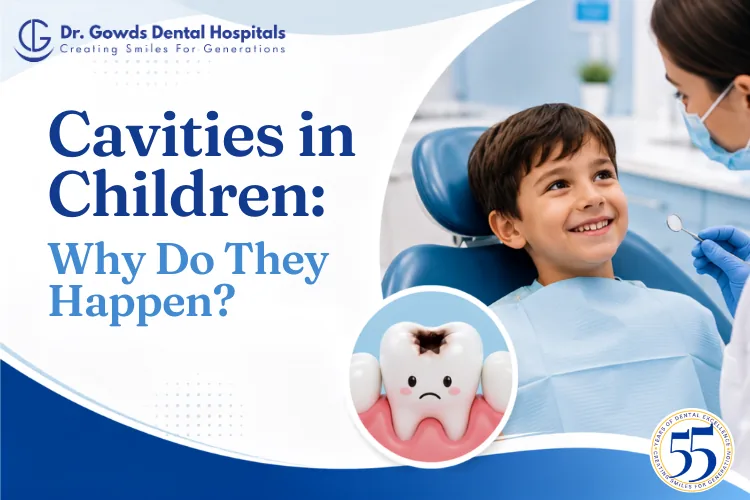
Cavities are one of the most common oral health problems affecting children. Parents may wonder why their child develops tooth decay even when they try to maintain good dental habits.
Cavities in children can develop because of a combination of factors, including frequent sugary foods and drinks, plaque buildup, inadequate brushing, developing oral hygiene habits, enamel characteristics, and prolonged exposure of teeth to acids produced by oral bacteria.
Baby teeth are also important even though they are eventually replaced by permanent teeth. Untreated decay in primary teeth can cause pain, difficulty eating, infection, and problems with the developing permanent teeth.
Understanding why children are more susceptible to cavities can help parents take preventive steps early.
At Dr. Gowds Dental Hospitals, regular pediatric dental examinations help identify early signs of tooth decay and establish age-appropriate preventive care.
Children can be particularly vulnerable to tooth decay because several risk factors often occur together.
These include:
The more frequently teeth are exposed to fermentable carbohydrates, the more opportunities oral bacteria have to produce acids that attack enamel.
One of the biggest contributors to child tooth decay is frequent exposure to sugary foods and drinks.
Examples include:
The frequency of exposure matters.
A child who repeatedly consumes sugary snacks throughout the day may expose the teeth to acid attacks more often than a child who consumes similar foods occasionally with meals.
Children may consume sugar through drinks without parents realizing how frequently their teeth are exposed.
Examples include:
Frequent sipping keeps the teeth exposed to sugars and acids for longer periods.
Water is generally a better everyday beverage for maintaining oral health.
Young children often lack the manual dexterity needed to clean every tooth surface effectively.
They may:
Parents should supervise brushing in young children and help them clean areas they cannot reach properly.
Plaque is a sticky film containing bacteria that forms continuously on teeth.
Children can develop significant plaque accumulation around:
When plaque bacteria metabolize sugars, they produce acids that can gradually weaken enamel.
Permanent molars have grooves and pits on their chewing surfaces.
Food and plaque can become trapped in these areas, making them difficult to clean with a toothbrush.
This can increase the risk of cavities.
In selected children, dentists may recommend dental sealants to protect vulnerable chewing surfaces.
A common misconception is that cavities in baby teeth do not matter because those teeth will eventually fall out.
Primary teeth are important for:
Untreated decay can cause pain and infection and may lead to premature loss of a primary tooth.
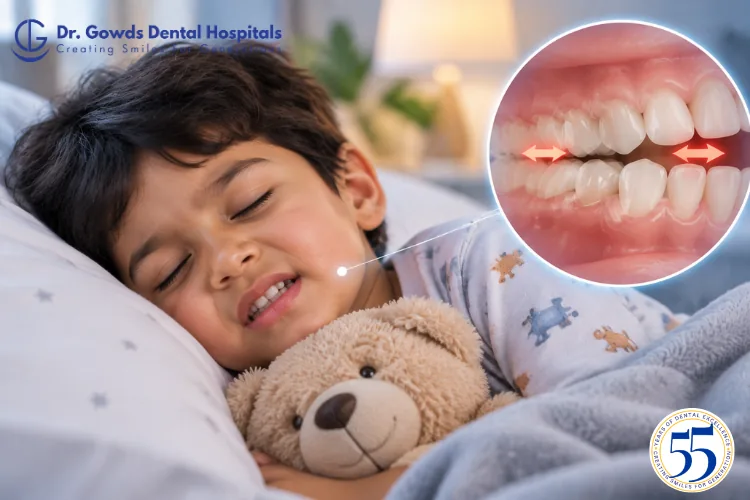
Repeated exposure to milk or other carbohydrate-containing drinks during sleep can contribute to early childhood tooth decay.
During sleep, saliva production decreases.
If sugary liquids remain around the teeth for prolonged periods, bacteria can use those carbohydrates to produce acids.
Parents should discuss appropriate feeding and oral hygiene practices with their child’s dentist, especially when the child frequently consumes milk or other drinks at bedtime.
Some foods adhere to tooth surfaces more easily than others.
Examples include:
The longer carbohydrate-containing food remains on the teeth, the greater the opportunity for bacteria to produce acids.
This does not mean children can never eat these foods, but frequency and oral hygiene are important considerations.
A toothbrush cannot completely clean the spaces between teeth.
If adjacent teeth are touching, plaque can accumulate between them.
Depending on the child’s age and dental development, a dentist may recommend:
Parents may need to perform or supervise interdental cleaning for younger children.
Tooth enamel is the hard outer layer of the tooth.
When oral bacteria produce acids repeatedly, minerals can be removed from the enamel.
This process is called demineralization.
If mineral loss continues without adequate repair through saliva and fluoride exposure, a cavity can eventually develop.
Cavities may not cause pain during their early stages.
Parents should look for:
A dental examination is important if any of these signs appear.
Yes.
Early tooth decay can develop without noticeable discomfort.
By the time a child complains about pain, the decay may already have progressed deeper into the tooth.
This is why routine dental examinations are important even when the child appears to have healthy teeth.
Cavities in children are common because children’s teeth are frequently exposed to plaque, sugars, and acids while their brushing and oral hygiene skills are still developing. Frequent snacking, sugary drinks, inadequate plaque removal, deep molar grooves, and prolonged nighttime exposure to carbohydrate-containing drinks can all increase the risk of tooth decay.
The good news is that many childhood cavities can be prevented through consistent brushing with fluoride toothpaste, regular interdental cleaning, limiting frequent sugar exposure, choosing water between meals, and maintaining routine dental visits.
If your child develops white spots, dark areas, sensitivity, or tooth pain, don’t wait for the problem to worsen. Early dental evaluation can help protect the affected tooth and support healthy oral development.
Visit us at-
Dr gowds dental hospital Nanakramguda
Dr gowds dental hospital Gachibowli
Dr gowds dental hospital madhapur
Children may be more susceptible to cavities because of frequent sugar exposure, plaque buildup, developing brushing skills, deep grooves in molars, and prolonged exposure to sugary or carbohydrate-containing drinks.
Yes. Untreated cavities in baby teeth can cause pain, infection, difficulty eating, and premature tooth loss. Primary teeth also help maintain space for developing permanent teeth.
Yes. Brushing is essential but may not remove all plaque, particularly between teeth and inside deep molar grooves. Diet, fluoride exposure, brushing technique, and individual cavity risk also matter.
Help your child brush twice daily with fluoride toothpaste, clean between teeth, limit frequent sugary snacks and drinks, encourage water between meals, and maintain regular dental examinations.
Children should begin dental care early in life, with ongoing visits based on their oral development and individual needs. Your dentist can recommend an appropriate examination schedule.
No. White spots can have several causes. However, chalky white areas can sometimes represent early enamel demineralization, so they should be evaluated by a dentist.
 Gachibowli Branch