

Schedule Appointment

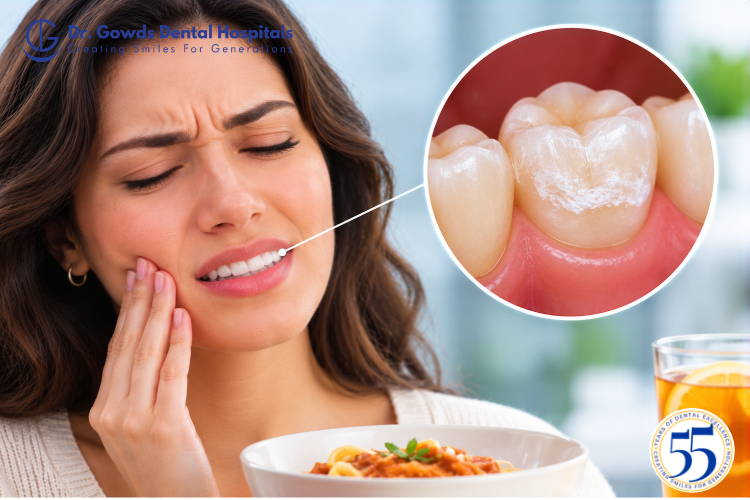
Have you ever finished a meal, run your tongue over your teeth, and noticed that they feel chalky, rough, powdery, or coated? The sensation can be strange, especially when your teeth normally feel smooth.
“Chalky teeth” is a way of describing how your teeth feel or look rather than a specific dental diagnosis. The sensation may happen temporarily after certain foods or drinks, or it may continue after eating. Understanding when it happens, what it feels like, and whether it keeps returning can help you decide what to do next.
At Dr Gowds Dental Hospitals, we encourage patients to pay attention to changes in how their teeth feel. A persistent change in tooth texture is worth discussing with a dental professional rather than trying to identify the cause yourself.
If your teeth regularly feel chalky after eating,
People use the phrase chalky teeth to describe several different sensations. Your teeth may feel:
The sensation can be temporary. For some people, it is most noticeable immediately after eating and becomes less obvious after drinking water or cleaning their mouth.
The important detail is whether the feeling disappears quickly or keeps coming back.
There is no single explanation for chalky teeth. The sensation can be influenced by the food you eat, how your mouth feels after a meal, and the condition of the tooth surface.
Some foods leave behind a noticeable layer in the mouth. Starchy, sticky, powdery, or crumbly foods may remain around the teeth or along the gumline after eating.
This can make the teeth feel less smooth when you move your tongue across them.
If the chalky feeling appears only after particular foods and disappears after rinsing or your normal oral-care routine, food residue may be part of what you are noticing.
A dry mouth can make the entire mouth feel different. When there is less moisture, the teeth may feel less slippery and more noticeable against the tongue.
You may notice this particularly after a meal when you have not had much water or after spending a long period talking.
Pay attention to whether the chalky sensation appears together with a dry or sticky feeling in your mouth.
Some people notice a chalky or rough feeling after consuming particular foods or drinks.
For example, you may notice the sensation after:
This does not necessarily mean that a particular food is causing a dental problem. Keeping track of what you eat and when the sensation appears can simply help you identify a pattern.
Teeth can feel different when there is noticeable buildup around them. You may especially notice roughness near the gumline or in areas that are difficult to clean.
If your teeth continue to feel rough even after eating has finished, the sensation may be worth discussing during a dental examination.
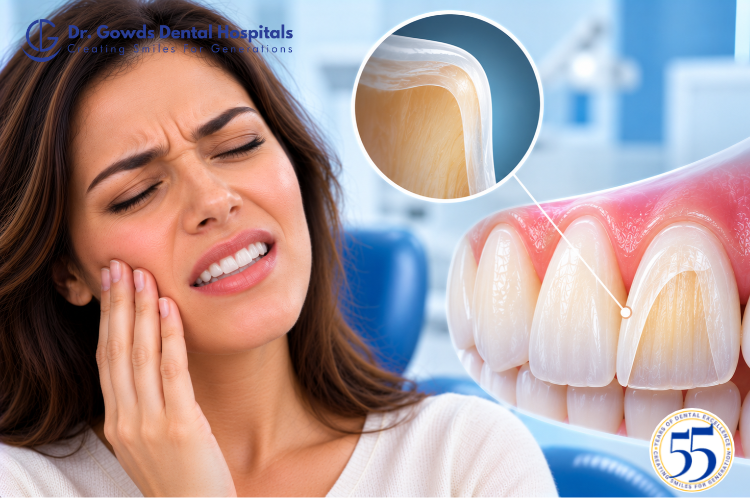
Sometimes, what feels like chalkiness is actually a change in the way the tooth surface feels to your tongue.
A dental professional can examine the teeth directly and determine whether there are visible surface changes that need attention.
This is particularly useful when the sensation is new, persistent, or noticeably different from how your teeth usually feel.
Timing can provide a useful clue.
If your teeth feel normal before a meal but become chalky immediately afterwards, think about what happens during the meal.
Ask yourself:
You do not need to diagnose the cause from these observations. They simply give you useful information to share with your dentist if the sensation continues.
If you mainly notice chalky teeth after sweets, consider whether the texture is related to the food itself.
Sticky or sugary foods can leave a noticeable coating in the mouth. Some sweets also remain around grooves and between teeth, making the teeth feel different for a while after eating.
Rather than focusing only on the word “chalky,” pay attention to whether the sensation disappears or keeps returning.
If you regularly notice an unusual texture after eating sweets, mention it during your next dental consultation.
Some people notice a different mouth or tooth sensation after foods and drinks with a sour or acidic taste.
If this happens to you, make a note of the specific foods or drinks involved. The pattern can be useful when discussing your concerns with a dentist.
The goal is not to assume that one food is responsible. It is to understand whether the sensation is occasional or part of a recurring pattern.
If the sensation is temporary, a few simple habits can help you understand and manage what you are noticing.
After eating, drinking water or gently rinsing your mouth can help clear leftover food particles and leave your mouth feeling fresher.
Continue with your usual brushing and interdental cleaning routine. Pay attention to areas where food tends to collect.
For a few days, make a mental note of:
This information can be surprisingly useful during a dental consultation.
If your teeth feel rough, avoid trying to scrape or scratch the surface with sharp objects or excessive force. A dental professional can examine the area and advise you appropriately.
An occasional chalky feeling after eating may simply disappear on its own. However, if the sensation keeps returning or does not go away, it is reasonable to have it checked.
Consider scheduling a dental consultation if you notice:
A dental examination can help you understand what you are actually noticing instead of relying on guesswork.
If chalky teeth have become a recurring concern, Dr Gowds Dental Hospitals can help you get a professional assessment and understand the next appropriate step.
When you describe chalky teeth to a dentist, try to explain exactly what you are experiencing.
Instead of simply saying, “My teeth feel chalky,” mention:
These details can make the consultation more useful.
A dentist can then examine your teeth and mouth rather than making assumptions based only on the sensation.
Chalky teeth can describe a temporary powdery, rough, coated, or unusual feeling after eating. Food residue, dryness, particular foods, buildup, and changes in the tooth surface are among the things that may be considered when trying to understand the sensation.
The most useful thing you can do is notice when it happens and whether it keeps returning. If the chalky feeling becomes persistent or is accompanied by other noticeable changes, a dental examination can help you understand what is happening.
Looking for a dental consultation in Hyderabad? Dr Gowds Dental Hospitals welcomes patients at Nanakramguda, Gachibowli, Madhapur, koti branches.
Teeth may feel chalky after eating when food residue, dryness, buildup, or changes in the tooth surface affect how the teeth feel against the tongue. Notice whether it happens after particular foods and whether the sensation disappears after rinsing or your regular oral-care routine.
“Chalky teeth” describes a sensation rather than one specific dental condition. It can mean that the teeth feel rough, powdery, coated, or less smooth than usual.
Sticky or sugary foods can leave a noticeable coating around the teeth. If you regularly notice chalkiness after sweets, keep track of when it happens and discuss the pattern with your dentist if it continues.
A dry or sticky mouth can change how the teeth feel when your tongue moves across them. If the chalky sensation regularly occurs alongside dryness, mention both symptoms during a dental consultation.
Try drinking water or gently rinsing your mouth after eating and continue your regular oral-care routine. If the chalky sensation keeps returning, a dental check can help identify what may be contributing to it.
An occasional rough feeling may pass after eating. If the roughness persists, repeatedly returns, affects a particular tooth, or comes with another noticeable change, consider scheduling a dental examination.
Some foods can leave a powdery, sticky, or coated sensation in the mouth. If you notice a consistent connection with particular foods, keeping track of the pattern can help when discussing it with your dentist.
 Gachibowli Branch