

Schedule Appointment

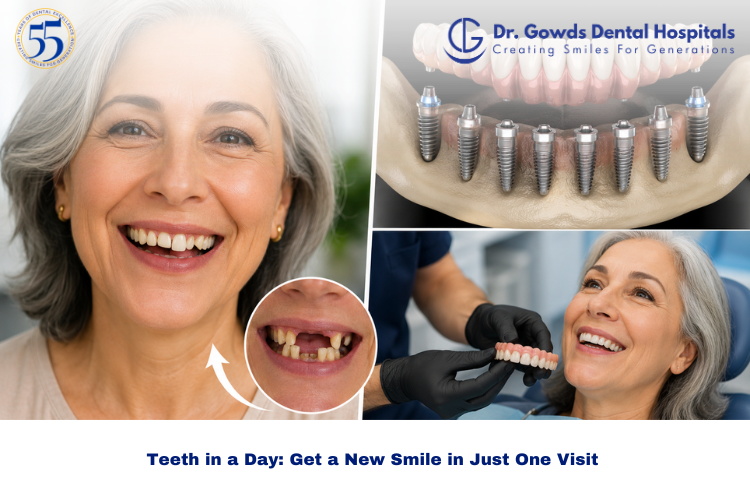
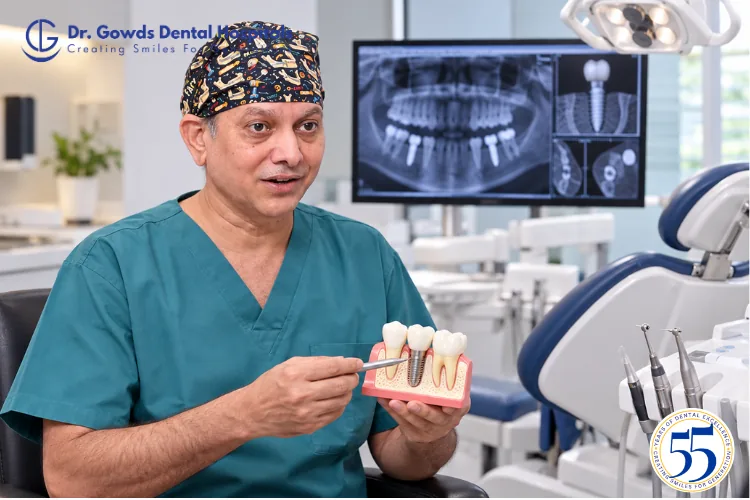
Yes, it is possible to walk into a dental clinic with missing or failing teeth and leave the same day with a fixed set of replacement teeth. This advanced treatment, commonly called Teeth in a Day, uses strategically placed dental implants to support temporary fixed teeth immediately after implant surgery.
For patients struggling with missing teeth, loose dentures, or severely damaged teeth, Teeth in a Day can dramatically shorten treatment time while restoring both function and confidence.
But despite its name, not everyone qualifies for this procedure. Understanding how it works, who is eligible, and what to expect can help you determine whether it’s the right solution for your smile.
Teeth in a Day is an advanced implant treatment protocol that allows patients to receive dental implants and a fixed temporary prosthesis during the same appointment or within 24 hours.
Unlike traditional implant treatment—which may require several months of healing before teeth are attached—same-day implant protocols provide immediate function and aesthetics.
The procedure is commonly used for:
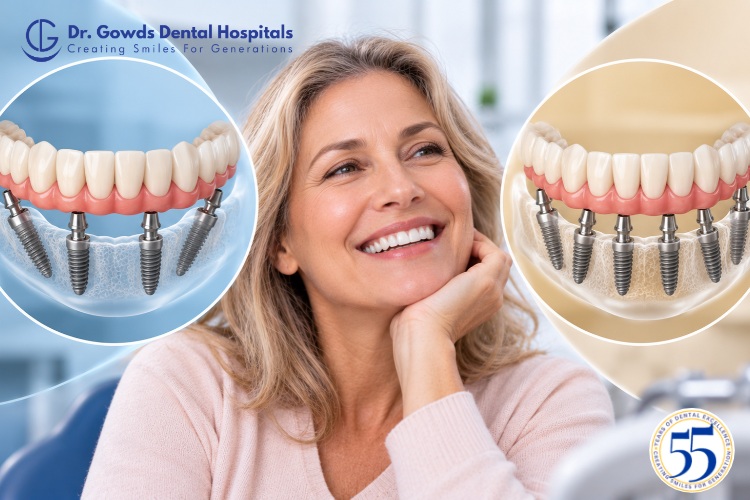
In many cases, Teeth in a Day is performed using All-on-4 or All-on-6 implant concepts, where a full set of teeth is supported by four to six strategically placed implants.
The success of same-day implants depends on careful planning and precise execution.
The process begins with:
This helps determine whether immediate loading is possible.
Advanced software is used to:
Digital planning significantly increases predictability and long-term success.
Patients with damaged, loose, or severely infected teeth may require extractions before implant placement.
In suitable cases, implants can often be placed immediately after extraction.
Titanium dental implants are placed into the jawbone.
Special attention is given to achieving primary stability, which is essential for supporting teeth immediately after surgery.
Once implants are securely placed, a customized temporary bridge is attached.
Patients leave with:
This is why the procedure is commonly known as same-day teeth replacement.
The phrase refers to receiving:
✅ Dental implants
✅ Fixed temporary teeth
✅ Functional smile restoration
all within a single day.
However, it is important to understand that the final permanent teeth are usually placed after the implants fully integrate with the jawbone.
Not every patient is a candidate for immediate loading.
Ideal candidates generally have:
Conditions such as uncontrolled diabetes or immune disorders may affect healing.
The jawbone must provide sufficient stability for implants immediately after placement.
Active gum infections may need treatment before implant surgery.
Smoking significantly affects implant healing and success rates.
Teeth in a Day is particularly beneficial for patients requiring extensive tooth replacement.
Some patients may require preparatory treatment before undergoing same-day implant procedures.
Potential challenges include:
Fortunately, many of these issues can often be addressed before implant treatment begins.
Patients avoid spending months without teeth.
The temporary teeth are securely attached to implants and do not move during speaking or eating.
Many treatments can be completed in a single surgical phase.
Patients can return to social and professional activities much sooner.
Dental implants help maintain bone stimulation and reduce future bone loss.
Not exactly.
Teeth in a Day refers to the treatment timeline.
All-on-4 refers to a specific implant technique that often makes same-day teeth possible.
Many Teeth in a Day cases use:
Your dentist will determine which approach best suits your needs.
When performed on appropriately selected patients, same-day implant protocols have demonstrated excellent success rates.
Success depends on:
The procedure is now widely accepted and supported by extensive clinical research.
Although patients leave with fixed teeth, the implants are still healing beneath the gums.
Most dentists recommend:
Avoid:
Following dietary guidelines protects the implants during the critical healing phase.
Most patients experience:
Recovery is generally manageable with prescribed medications and post-operative instructions.
Many patients return to routine activities within a few days.
Dental implants are designed as a long-term tooth replacement solution.
With proper care, implants can last for decades.
Longevity depends on:
The temporary bridge is eventually replaced with a stronger, long-term final restoration.
| Feature | Teeth in a Day | Traditional Implants |
| Temporary Teeth | Same day | After healing |
| Appearance | Immediate | Delayed |
| Treatment Time | Faster | Longer |
| Implant Healing | Same | Same |
| Final Teeth | Later stage | Later stage |
| Suitable for Full-Arch Cases | Excellent | Excellent |
At Dr. Gowds Dental Hospital, Hyderabad, Teeth in a Day treatments are planned using advanced digital diagnostics, CBCT imaging, and evidence-based implant protocols.
Each case is carefully evaluated to determine whether same-day teeth placement can be performed safely and predictably.
For patients frustrated by missing teeth, unstable dentures, or failing dental work, Teeth in a Day offers a life-changing opportunity to restore function, appearance, and confidence in a remarkably short time.
While not every patient qualifies for immediate loading, modern implant techniques have made same-day smile restoration possible for many people who once faced lengthy treatment timelines. A comprehensive consultation with an experienced implant dentist is the best way to determine whether Teeth in a Day is the right solution for your needs.
Visit us at-
Dr gowds dental hospital Nanakramguda
Dr gowds dental hospital Gachibowli
Dr gowds dental hospital madhapur
Teeth in a Day is a dental implant procedure that allows patients to receive implants and fixed temporary teeth on the same day.
The implants are intended as a long-term solution. However, the initial teeth are usually temporary and later replaced with a permanent restoration.
Patients with good overall health, sufficient bone support, and healthy gums are often suitable candidates.
The procedure is performed under appropriate anesthesia. Most patients experience only mild discomfort during recovery.
Depending on the complexity of the case, treatment may take several hours and is usually completed in a single day.
 Gachibowli Branch