

Schedule Appointment



Gum pain is one of the most common dental problems people experience, yet many ignore it until the discomfort becomes severe. If you’ve been asking yourself, “Why do my gums hurt?”, your mouth may be trying to warn you about an underlying dental issue.
Painful gums can occur because of poor oral hygiene, gum infections, aggressive brushing, vitamin deficiencies, wisdom tooth problems, stress, hormonal changes, or serious gum disease. While mild irritation may improve with better care, persistent gum pain should never be ignored.
Healthy gums are firm, pink, and painless. If your gums feel swollen, tender, bleeding, or sensitive, it’s important to identify the cause early and seek proper treatment.
At Dr Gowds Dental Hospitals, our dental specialists use advanced diagnostic technology and personalized treatment plans to identify the exact cause of gum pain and provide effective relief. Early treatment not only reduces discomfort but also helps protect your teeth and overall oral health.
The most common reason for painful gums is gum disease.
Gingivitis
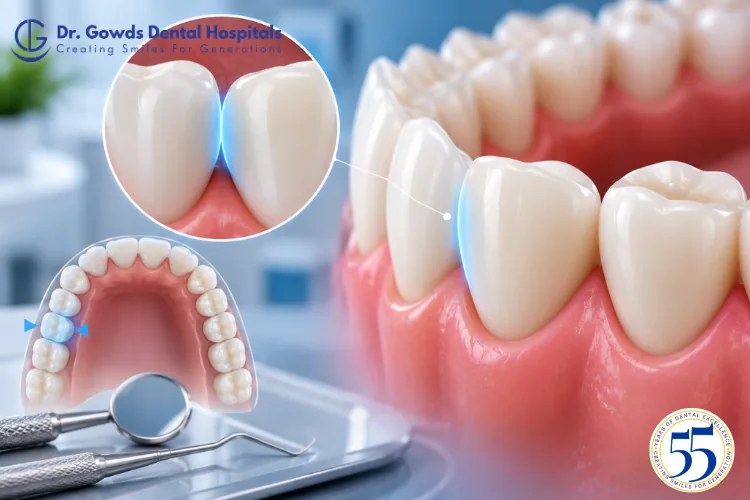
Gingivitis is the early stage of gum disease caused by plaque buildup around the gum line. Plaque contains bacteria that irritate the gums and trigger inflammation.
If untreated, gingivitis can progress into periodontitis, a more serious infection that damages the bone supporting your teeth.
Early gum disease treatment can prevent permanent damage.
Brushing too hard can injure your gums and wear away the protective gum tissue.
Using a hard-bristled toothbrush or incorrect brushing technique may cause:
Flossing too aggressively can also cut or inflame your gums.
Food lodgement between teeth can create pressure and bacterial growth around the gums.
Common signs include:
If left untreated, trapped food can lead to gum infection or cavities.
Wisdom teeth commonly cause gum pain when they begin erupting.
Partially erupted wisdom teeth create flaps of gum tissue where bacteria can collect.
Impacted wisdom teeth may require professional evaluation or extraction.
A bacterial infection can cause severe gum pain and swelling.
A gum abscess is a pocket of pus caused by infection.
A gum abscess requires immediate dental treatment.
Small ulcers inside the mouth can make the gums painful.
These sores may occur due to:
Most ulcers heal within 1–2 weeks.
Low levels of vitamin C or vitamin B can weaken your gums and increase inflammation.
A balanced diet supports healthy gums.
Hormonal fluctuations can increase gum sensitivity.
This commonly occurs during:
Pregnancy gingivitis is especially common because increased hormones make gums more reactive to plaque.
Stress weakens the immune system and increases inflammation.
Many people also clench or grind their teeth under stress, putting pressure on the gums and jaw.
This may lead to:
Smoking reduces blood flow to the gums and increases the risk of infection.
Tobacco users are more likely to develop:
Home remedies may temporarily reduce discomfort, but they do not replace professional treatment.
Salt water helps reduce bacteria and inflammation.
Applying a cold compress reduces swelling and numbs pain.
Continue brushing and flossing carefully.
Avoiding oral hygiene can worsen bacterial buildup.
Dry mouth increases bacterial growth.
Drinking enough water helps wash away bacteria and food particles.
Spicy, acidic, or extremely hot foods may worsen gum pain.
Choose soft foods while your gums heal.
Healthy daily habits significantly reduce your risk of gum problems.
Preventive dental care is the best way to avoid painful gums.
If you’ve been wondering, “Why do my gums hurt?”, the answer could range from mild irritation to serious gum disease.
While occasional soreness may not be dangerous, persistent gum pain should never be ignored. Swollen, bleeding, or painful gums are often signs that your oral health needs attention.
The good news is that most gum problems can be treated successfully when diagnosed early.
Maintaining good oral hygiene, scheduling regular dental checkups, and seeking prompt treatment are the best ways to protect your gums and preserve your smile.
If your gum pain continues or worsens, consult an experienced dental professional for proper diagnosis and treatment.
Visit us at-
Dr gowds dental hospital Nanakramguda
Dr gowds dental hospital Gachibowli
Dr gowds dental hospital madhapur
Your gums may hurt while brushing because of gingivitis, aggressive brushing, gum recession, or sensitivity caused by plaque buildup. Using a hard toothbrush can also irritate the gums.
Yes. Stress weakens the immune system and increases inflammation, making gums more sensitive. Stress-related teeth grinding may also contribute to gum soreness.
Swollen gums may indicate infection or gum disease. Mild swelling can improve with better oral hygiene, but severe or persistent swelling should be evaluated by a dentist.
Minor gum irritation may improve within a few days. Gum pain caused by infection or gum disease may continue until proper treatment is provided.
Mild irritation may improve naturally, but gum pain caused by infection or gum disease usually requires professional treatment.
Bleeding gums commonly occur because of plaque buildup and gingivitis. Aggressive brushing or flossing may also cause bleeding.

 Gachibowli Branch