

Schedule Appointment


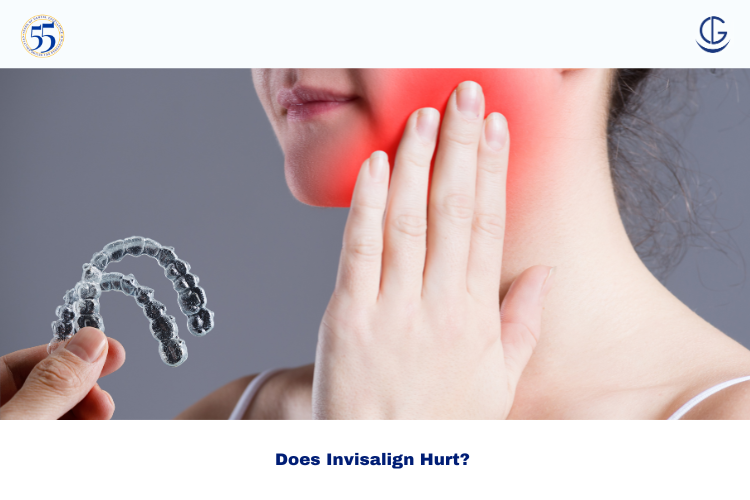
One of the most common questions patients ask before beginning Invisalign treatment is: “Is Invisalign painful?” The short answer is — Invisalign is not usually painful, but you may experience mild discomfort, pressure, or soreness during certain stages of treatment.
Unlike traditional metal braces, Invisalign clear aligners are designed for comfort. However, because they gradually move your teeth into better positions, some pressure is completely normal.
At Dr Gowds Dental Hospitals, our experienced Invisalign specialists ensure every treatment plan is personalized for maximum comfort and successful results, helping you achieve a straighter smile with minimal discomfort.
Most patients describe Invisalign discomfort as:
This sensation usually means the aligners are working.
Unlike braces, Invisalign has:
That’s why most people find Invisalign significantly more comfortable than traditional braces.
| Factor | Invisalign | Traditional Braces |
| Metal irritation | Rare | Common |
| Tightness after adjustment | Mild | Moderate to severe |
| Mouth ulcers | Less common | More common |
| Emergency wire pain | No | Yes |
| Overall comfort | Higher | Lower |
Most patients report Invisalign pain is manageable and temporary.
The initial aligners often create the most pressure because your teeth are beginning to shift.
Common symptoms include:
This usually improves within 3–5 days.
Each new tray applies controlled force to move your teeth further.
You may feel:
This is normal and often lasts 1–3 days.
Many first-time users feel discomfort while removing aligners.
This happens because:
It becomes easier after a few days.
For most patients:
If severe pain continues for more than a week, you should contact your dentist or orthodontist.
Orthodontic tooth movement happens when gentle force reshapes the surrounding bone.
The process involves:
This biological process can temporarily cause soreness.
Inconsistent wear can make every tray feel tighter and more painful.
Changing trays before bedtime allows your mouth to adjust while sleeping.
Cold therapy can help reduce inflammation and soreness.
Choose foods like:
Avoid hard foods during sore periods.
Dry mouth can increase irritation and discomfort.
If aligner edges irritate cheeks or gums, dental wax may help temporarily.
You should visit your dentist if you experience:
These symptoms may indicate improper fit, infection, or bite issues.
Yes, mild headaches may occur during the first few days after:
This usually resolves naturally.
If headaches become severe or frequent, consult your orthodontist.
You should remove aligners before eating.
However, your teeth may feel sensitive while chewing during the first few days of a new tray.
This sensitivity is temporary.
So, is Invisalign painful?
In most cases, Invisalign causes mild temporary discomfort rather than true pain. The pressure you feel is a normal sign that your teeth are moving correctly.
Most patients adapt quickly within a few days and find Invisalign significantly more comfortable than traditional braces.
If you experience severe pain, swelling, or persistent discomfort, consult your dentist immediately.
With proper care and consistent wear, Invisalign can provide a comfortable and effective path toward a healthier, straighter smile.
Visit us at-
Dr gowds dental hospital Nanakramguda
Dr gowds dental hospital Gachibowli
Dr gowds dental hospital madhapur
Yes, many patients experience mild pressure or soreness during the first 24–72 hours of wearing Invisalign. This happens because the aligners begin applying controlled force to move your teeth. The discomfort is usually manageable and improves as your mouth adjusts.
You may feel temporary tightness or sensitivity each time you switch to a new aligner tray. This typically lasts 1–3 days and is a normal sign that the aligners are working effectively.
In some cases, the edges of aligners may slightly irritate the gums or cheeks, especially during the early stages of treatment. If irritation continues, your dentist may smooth the tray edges or recommend dental wax for comfort.
Most patients consider Invisalign more comfortable than traditional braces because there are no metal brackets or wires causing friction and ulcers. However, some pressure is still expected during tooth movement.
To reduce Invisalign discomfort, wear the aligners consistently for 20–22 hours daily, switch trays at night, eat soft foods initially, stay hydrated, and use cold compresses when needed. Over-the-counter pain relievers may also help if recommended by your dentist.
 Gachibowli Branch