

Schedule Appointment


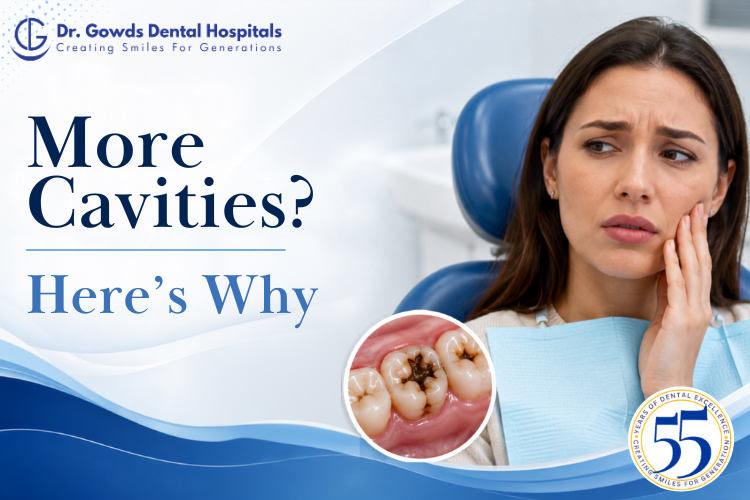
Getting more cavities than other people is not simply a matter of luck. While brushing and flossing are important, several factors influence your risk of developing tooth decay, including your oral hygiene habits, diet, saliva production, genetics, the shape of your teeth, medical conditions, and even certain medications. Some people naturally have a higher risk of cavities despite maintaining good oral hygiene. Understanding these risk factors allows dentists to create personalized prevention plans that help keep teeth healthy for years.
At Dr. Gowds Dental Hospitals, we help patients identify the underlying causes of frequent cavities and provide preventive care tailored to their individual needs.
Cavities, also called dental caries or tooth decay, are permanently damaged areas of the tooth caused by acids produced by bacteria.
When plaque bacteria feed on sugars and starches from food, they produce acids that gradually dissolve the protective enamel.
If left untreated, cavities continue to grow deeper into the tooth, eventually reaching the dentin and pulp, causing pain, infection, and possible tooth loss.
Many factors contribute to developing more cavities than others.
Most people have a combination of risk factors rather than a single cause.
The most common reason people develop more cavities is inadequate oral hygiene.
If plaque is not removed regularly through brushing and flossing, bacteria continue producing acids that attack tooth enamel.
Common mistakes include:
Maintaining proper oral hygiene significantly reduces cavity risk.
Sugar is one of the biggest contributors to tooth decay.
Every time you consume sugary foods or beverages, bacteria produce acids that attack your teeth for approximately 20 to 30 minutes.
High-risk foods include:
Frequent snacking is often more harmful than eating larger meals because it exposes teeth to repeated acid attacks.
Saliva plays an essential role in protecting teeth.
It helps:
People with dry mouth often develop more cavities because their teeth remain exposed to harmful acids for longer periods.
Dry mouth may result from:
Genetics may influence your likelihood of getting more cavities.
Inherited factors can affect:
Although genetics cannot be changed, good oral care can significantly reduce their impact.
Some people naturally have deeper pits and grooves on their molars.
These narrow spaces trap food and bacteria, making them difficult to clean with a toothbrush.
Dentists may recommend dental sealants to help protect these vulnerable areas.
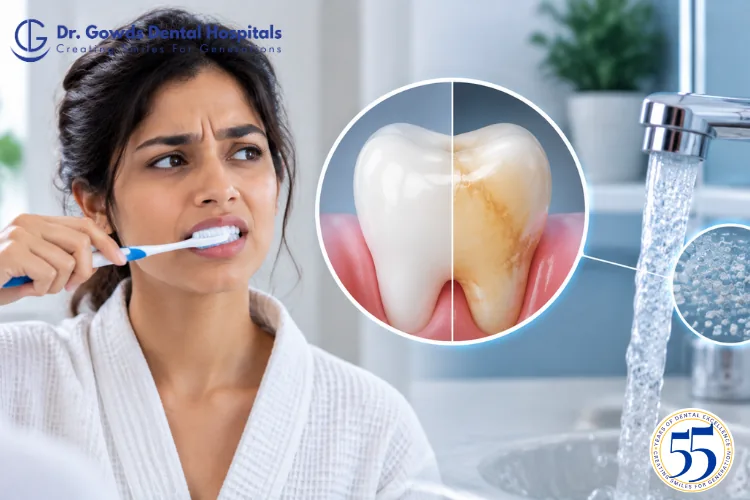
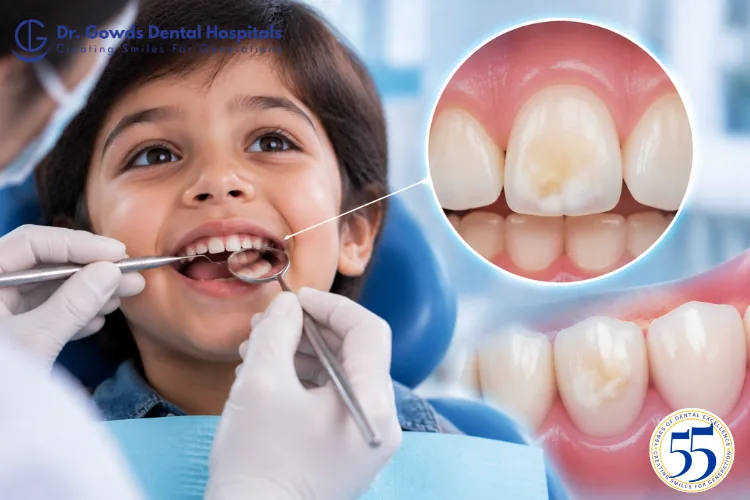
Fluoride strengthens tooth enamel and helps reverse the early stages of tooth decay.
People who receive insufficient fluoride may be more likely to develop more cavities.
Fluoride is commonly found in:
Acidic foods weaken enamel, making teeth more susceptible to cavities.
Examples include:
Although these foods do not directly cause cavities, they can increase enamel erosion and tooth sensitivity.
Grinding your teeth can wear away enamel over time.
As enamel becomes thinner, teeth become more vulnerable to bacterial attack and cavity formation.
Night guards may help protect teeth from grinding-related damage.
Old fillings, crowns, or bridges may develop tiny gaps over time.
These spaces allow bacteria to accumulate beneath restorations, increasing the risk of recurrent decay.
Regular dental examinations help detect these problems early.
Certain health conditions increase the likelihood of developing more cavities.
These include:
Managing these conditions can improve oral health outcomes.
Early cavities often cause no symptoms.
As decay progresses, you may notice:
Routine dental examinations often detect cavities before symptoms appear.
No. Although poor oral hygiene is a major risk factor, some people still develop more cavities despite brushing and flossing regularly.
Other contributing factors include:
Your dentist evaluates all of these factors when assessing cavity risk.
Developing more cavities than others is often the result of multiple factors working together rather than a single cause. While oral hygiene is important, diet, saliva, genetics, tooth anatomy, medical conditions, and lifestyle habits all influence your risk of tooth decay.
The good news is that understanding these factors allows you and your dentist to take preventive steps before serious damage occurs. Regular dental visits, healthy daily habits, and personalized preventive care can significantly reduce the likelihood of future cavities.
If you frequently experience cavities despite taking good care of your teeth, schedule a consultation at Dr. Gowds Dental Hospitals. Our experienced dental team can identify your individual risk factors and help you build a customized plan for lifelong oral health.
Visit us at-
Dr gowds dental hospital Nanakramguda
Dr gowds dental hospital Gachibowli
Dr gowds dental hospital madhapur
Some people develop more cavities because of factors such as genetics, dry mouth, diet, deep grooves in teeth, certain medications, or medical conditions, in addition to oral hygiene habits.
Yes. Genetics can influence enamel strength, saliva quality, and tooth shape, which may increase your susceptibility to cavities. However, good oral care can help reduce this risk.
Brushing is essential, but preventing cavities also requires flossing, limiting sugary foods, regular dental check-ups, and maintaining a healthy diet.
Yes. New cavities can develop around old fillings or in other areas of the mouth if plaque accumulates or restorations become worn.
Brush twice daily with fluoride toothpaste, floss every day, reduce sugary snacks, stay hydrated, visit your dentist regularly, and follow personalized preventive recommendations based on your cavity risk.
 Gachibowli Branch