

Schedule Appointment


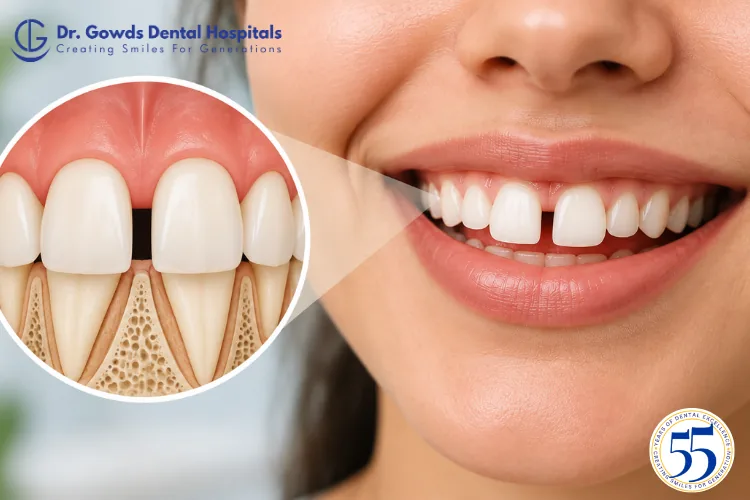
A healthy smile is not only about straight teeth or their appearance. The way your teeth touch each other plays an important role in maintaining proper chewing function, gum health, and overall oral balance. Spacing between teeth can sometimes affect how your bite works and may lead to food getting trapped, gum problems, or changes in tooth position over time.
Many people notice small gaps between their teeth and wonder whether they are only a cosmetic concern or if they need dental attention. While some natural spacing is normal, unwanted gaps can sometimes indicate issues with tooth alignment, jaw development, or gum health.
At Dr Gowds Dental Hospitals, Hyderabad, our dental specialists evaluate tooth alignment, bite patterns, and oral health before recommending the right solution. With advanced dental care available at our branches in Nanakramguda, Gachibowli, Madhapur, koti patients can receive personalised guidance for maintaining a healthy and confident smile.
Concerned about gaps between your teeth or changes in your bite?
Tooth-to-tooth contact refers to the way your upper and lower teeth meet when you close your mouth. Ideally, teeth should have balanced contact that allows efficient chewing while distributing biting forces evenly.
When teeth do not contact properly due to excessive spacing, crowding, or bite problems, it can affect:
Proper tooth contact helps maintain harmony between your teeth, jaw muscles, and temporomandibular joints (TMJ).
Not all gaps between teeth indicate a problem. Some people naturally have spaces due to genetics, jaw size, or tooth size differences.
Common examples include:
However, new or increasing gaps between teeth may require evaluation because they can sometimes be linked to underlying dental concerns.
Understanding the cause of dental spacing problems helps determine the most suitable treatment approach.
When the jaw is relatively larger compared to the size of the teeth, extra space may remain between teeth. This can create visible gaps throughout the mouth.
A missing tooth can create additional space and allow nearby teeth to shift from their original positions. Over time, this may affect bite alignment.
Healthy gums support and hold teeth in position. Advanced gum problems can weaken this support, causing teeth to loosen or develop unwanted spaces.
Signs that may indicate gum-related spacing include:
Some people naturally push their tongue against their front teeth while swallowing. Over time, this pressure may contribute to spacing between front teeth.
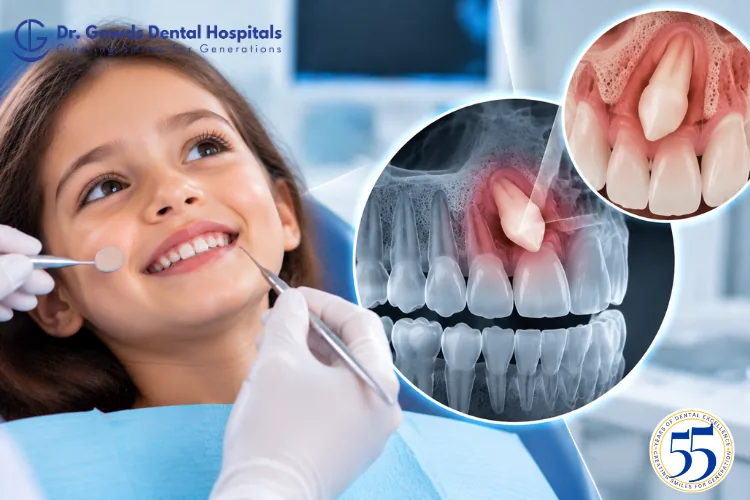
When permanent teeth do not develop properly or when teeth are lost due to injury or decay, gaps can appear.
Problems such as overbite, underbite, or open bite can affect how teeth meet and may contribute to uneven spacing.
Many people consider tooth gaps only a cosmetic issue, but spacing problems can sometimes influence oral health.
Large spaces between teeth can allow food particles to get trapped. If not cleaned properly, this may increase the risk of:
When teeth do not meet correctly, some teeth may take more pressure during chewing. This uneven force can contribute to tooth wear or discomfort.
Teeth naturally maintain their position through balanced contact with neighbouring teeth. When spacing changes, nearby teeth may gradually move.
Visible gaps, especially in the front teeth, may affect how comfortable people feel while smiling or speaking.
A dentist does not look at gaps alone. A complete evaluation helps understand why the spacing exists.
The assessment may include:
The dentist checks:
Advanced imaging can help identify:
Understanding how upper and lower teeth contact each other helps determine whether spacing is affecting function.
The right treatment depends on the cause, amount of spacing, and overall oral health.
Braces or clear aligners can gradually move teeth into better positions and close unwanted gaps.
Orthodontic treatment may be recommended for:
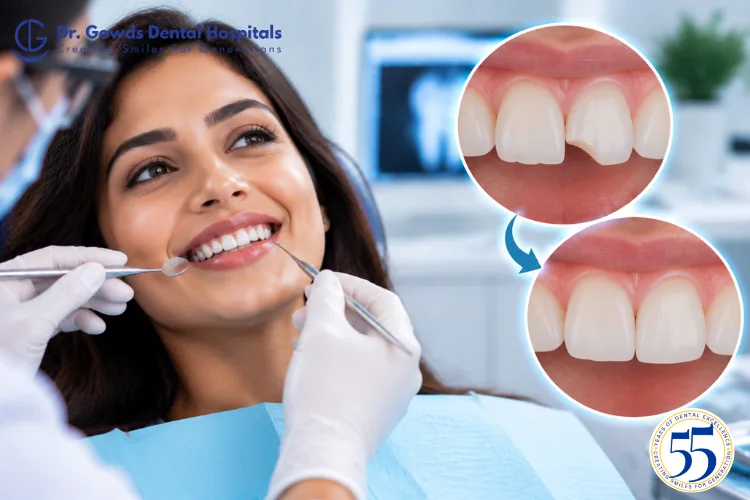
For small gaps, tooth-coloured composite material may be used to improve appearance by adding shape to the teeth.
Veneers can help improve the appearance of certain gaps by changing the shape and size of front teeth.
When spacing occurs due to missing teeth, replacing the missing tooth can help restore function and prevent nearby teeth from shifting.
If spacing is related to gum disease, treating the underlying gum condition is an important first step before considering cosmetic corrections.
While some tooth spacing is natural and cannot always be prevented, maintaining good oral habits can help protect your teeth and gums.
Routine dental visits help detect early signs of:
Early diagnosis allows timely treatment before spacing problems become more noticeable.
Proper brushing and flossing help prevent gum problems that may contribute to tooth movement.
Recommended habits include:
Certain habits can affect tooth position over time, including:
A missing tooth can gradually affect surrounding teeth. Replacing missing teeth at the right time helps maintain proper tooth alignment and chewing function.
In some children, spaces between teeth may reduce naturally as permanent teeth develop and erupt. However, in adults, unwanted gaps usually do not close on their own.
The treatment approach depends on:
A dental consultation can help determine whether treatment is necessary or whether monitoring is sufficient.
Balanced tooth-to-tooth contact helps your mouth function efficiently. When teeth meet properly:
A healthy smile is not just about closing gaps; it is about creating proper function and long-term oral stability.
At Dr Gowds Dental Hospitals, our team focuses on understanding the reason behind tooth spacing and providing solutions based on each patient’s dental condition.
Looking for expert guidance for teeth gaps or alignment concerns? Schedule a consultation at Dr Gowds Dental Hospitals, Hyderabad, and explore personalised treatment options.
Spacing between teeth can occur due to several reasons, including genetics, differences between tooth and jaw size, missing teeth, gum disease, tongue habits, and bite problems.
Small natural gaps may not cause problems. However, larger or increasing gaps can sometimes affect chewing, gum health, and tooth stability. A dental evaluation can help identify whether treatment is needed.
The treatment depends on the cause and severity of the gap. Options may include braces, clear aligners, dental bonding, veneers, or replacement of missing teeth with implants or bridges.
Yes. Braces can gradually move teeth into better alignment and close unwanted spaces. Your dentist or orthodontist can determine whether braces are suitable for your condition.
Clear aligners can be an effective option for many mild to moderate spacing problems. A dental professional can evaluate whether aligners are appropriate based on your bite and alignment needs.
Yes. Advanced gum disease can weaken the supporting tissues around teeth, which may lead to tooth movement and increased spacing.
You should consider a dental consultation if you notice:
No. While spacing can affect smile appearance, it may also influence oral function, gum health, and tooth stability depending on the cause.
 Gachibowli Branch