

Schedule Appointment

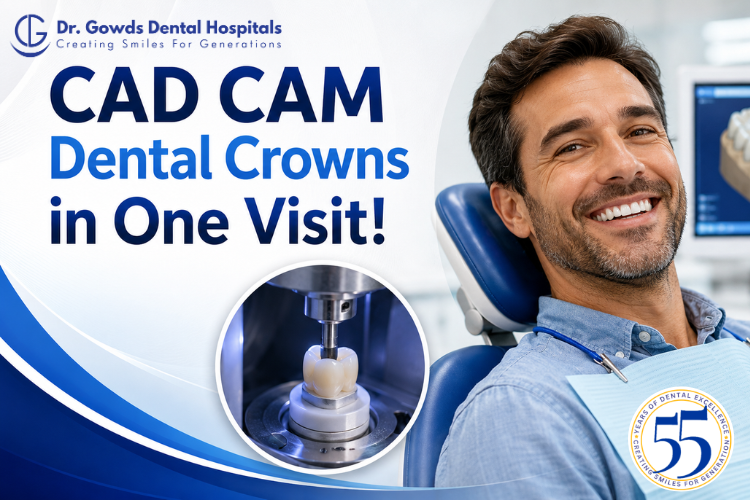
CAD CAM Dental Crowns are custom-made dental crowns designed and manufactured using advanced computer-aided design (CAD) and computer-aided manufacturing (CAM) technology. Unlike traditional crowns that usually require multiple appointments and temporary restorations, CAD CAM crowns can often be designed, milled, and placed in a single visit. This digital approach offers exceptional precision, a natural appearance, and a comfortable patient experience while reducing treatment time.
At Dr. Gowds Dental Hospitals, advanced digital dentistry and CAD CAM technology enable our dentists to deliver accurate, durable, and aesthetically pleasing crowns with greater efficiency and precision.
CAD CAM Dental Crowns are tooth-shaped restorations created using digital scanning, computer software, and automated milling machines.
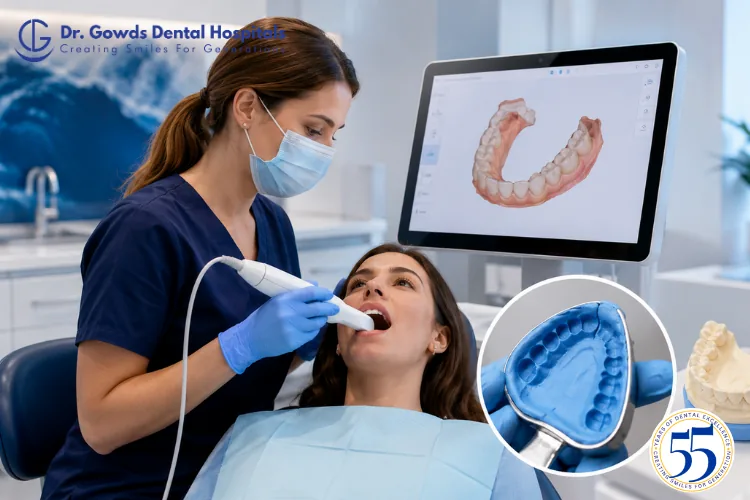
Instead of taking traditional dental impressions with impression materials, your dentist captures a highly accurate digital scan of your tooth. Specialized software designs the crown, and an automated milling unit carves it from a solid ceramic block with remarkable precision.
The result is a restoration that closely matches your natural tooth in shape, size, and function.
CAD CAM stands for:
Together, these technologies allow dentists to digitally design and fabricate highly accurate dental restorations.
CAD CAM technology is widely used in modern dentistry for:
Modern patients often prefer CAD CAM Dental Crowns because they simplify treatment while maintaining excellent quality.
Some of the reasons include:
Understanding the process helps patients feel more confident about treatment.
The dentist first examines your tooth and surrounding tissues.
This may include:
The dentist confirms whether a crown is the most suitable treatment.
A small amount of damaged or weakened tooth structure is carefully reshaped.
The goal is to create enough space for the ceramic crown while preserving as much healthy tooth structure as possible.
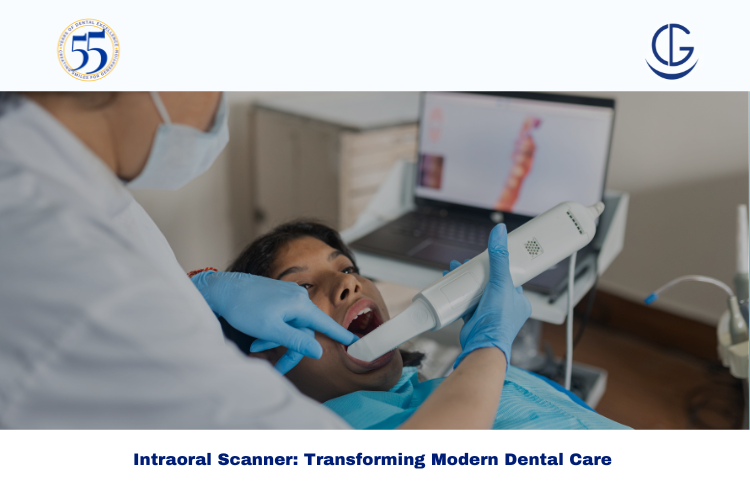
Instead of using traditional impression materials, a digital scanner captures thousands of images of your prepared tooth.
The scan produces an accurate three-dimensional model of your teeth.
Patients often find digital scanning:
Using specialized CAD software, the dentist designs your new crown.
The software considers:
This digital planning helps ensure a precise and comfortable fit.
Once the design is finalized, the CAM milling machine fabricates the crown from a solid ceramic block.
The milling process produces an accurately shaped restoration within a short period.
Modern milling technology delivers exceptional precision while preserving the strength of the ceramic material.
After milling, the crown is polished and, if necessary, stained or glazed to closely match the shade of your surrounding teeth.
This creates a natural-looking restoration that blends beautifully with your smile.
Before permanently bonding the crown, the dentist carefully checks:
Minor adjustments are made if required.
Once everything fits perfectly, the CAD CAM Dental Crowns are permanently bonded to the prepared tooth using strong dental cement.
The dentist performs one final bite check before completing the procedure.
There are many advantages to choosing CAD CAM Dental Crowns.
Computer-guided design allows highly accurate restorations that fit comfortably.
Many patients receive their permanent crown during a single appointment.
Digital scanning eliminates the discomfort associated with conventional impression materials.
Modern ceramic materials closely resemble natural tooth enamel.
High-quality ceramics provide excellent strength for everyday chewing.
Digital planning often allows more conservative tooth preparation.
Digital workflows minimize inaccuracies associated with conventional impressions.
Yes. With proper care, CAD CAM Dental Crowns can last 10 to 15 years or longer.
Their longevity depends on:
Good daily care significantly extends the lifespan of the restoration.
| Feature | CAD CAM Dental Crowns | Traditional Crowns |
| Impressions | Digital scan | Conventional impression |
| Visits | Often one visit | Usually two visits |
| Temporary crown | Often unnecessary | Usually required |
| Accuracy | Very high | High |
| Comfort | Excellent | Good |
| Digital planning | Yes | Limited |
| Treatment time | Shorter | Longer |
Both options are effective, but digital workflows provide greater convenience and efficiency for many patients.
Most patients requiring crowns can benefit from CAD CAM Dental Crowns.
They are particularly suitable for:
Your dentist will determine whether a digital crown is the best solution for your specific clinical needs.
CAD CAM Dental Crowns have transformed modern restorative dentistry by making crown treatment faster, more comfortable, and more precise. Using advanced digital scanning, computer-guided design, and automated milling technology, dentists can create restorations that closely resemble natural teeth while reducing treatment time.
For patients with damaged, weakened, or heavily restored teeth, CAD CAM crowns offer an excellent combination of strength, aesthetics, and convenience. With proper oral hygiene and regular dental care, these crowns can provide many years of reliable function and a confident smile.
If you have a damaged tooth that may require a crown, consult the experienced restorative dentists at Dr. Gowds Dental Hospitals. We use advanced CAD CAM technology to provide customized restorations designed for long-term comfort, function, and natural appearance.
Visit us at-
Dr gowds dental hospital Nanakramguda
Dr gowds dental hospital Gachibowli
Dr gowds dental hospital madhapur
CAD CAM Dental Crowns are custom-made crowns designed using computer software and manufactured with automated milling technology, providing highly accurate and natural-looking restorations.
Both are effective, but CAD CAM crowns offer advantages such as digital accuracy, improved comfort, faster treatment, and, in many cases, completion within a single visit.
With good oral hygiene and regular dental check-ups, CAD CAM Dental Crowns typically last 10 to 15 years or longer.
The procedure is generally comfortable. Local anesthesia is used during tooth preparation, and digital scanning eliminates the discomfort often associated with traditional dental impressions.
Most patients needing a dental crown are suitable candidates. Your dentist will evaluate your tooth, bite, and oral health to determine whether a CAD CAM restoration is the best option for your treatment.
 Gachibowli Branch