

Schedule Appointment

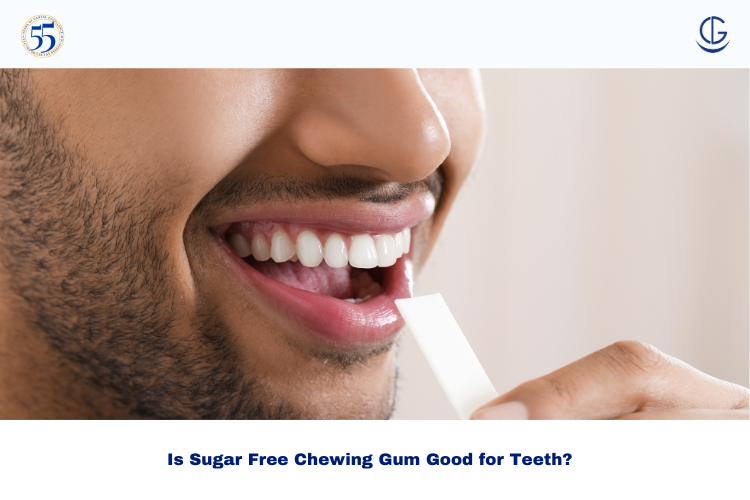
Most people grow up hearing that chewing gum is bad for teeth. But modern dentistry tells a more nuanced story. Certain types of sugar free chewing gum may actually support oral health by increasing saliva flow, reducing acid attacks after meals, and helping protect enamel. At Dr. Gowds Dental Hospital, patients often ask whether sugar-free gum truly helps prevent cavities or if the benefits are exaggerated. The answer is that sugar free chewing gum can support oral hygiene when used correctly — but it is not a substitute for brushing, flossing, or regular dental care.
Sugar-free chewing gum is made without regular sugar.
Instead, it contains alternative sweeteners such as:
Unlike sugary gum, sugar free chewing gum does not provide food for the bacteria that cause tooth decay.
Some varieties, especially those containing xylitol, may even help reduce harmful bacterial activity in the mouth.
The biggest benefit of sugar free chewing gum comes from saliva stimulation.
Saliva is one of the mouth’s most important natural defence systems because it helps:
Chewing sugar free chewing gum after meals may help:
Some studies also suggest that xylitol-containing gum may help reduce cavity-causing bacteria over time.
However, sugar-free gum works best as part of a complete oral hygiene routine.
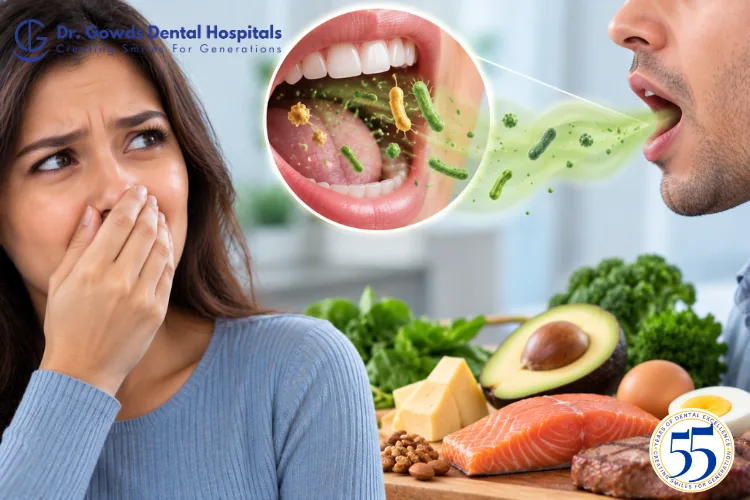
One reason many people use sugar free chewing gum is to improve bad breath temporarily.
Chewing gum increases saliva flow, which helps:
Dry mouth is one of the major causes of bad breath, so stimulating saliva may help reduce odour temporarily.
However, persistent bad breath may indicate:
If bad breath continues despite brushing and chewing gum, a dental evaluation is important.
Every time you eat, bacteria in the mouth produce acids that weaken enamel.
Chewing sugar free chewing gum after meals may help:
This can be particularly useful when brushing immediately after eating is not possible.
Some sugar-free gums contain xylitol, a sweetener associated with reduced cavity-causing bacteria.
Research suggests xylitol may help:
However, sugar free chewing gum works best as part of an overall preventive routine — not as a standalone cavity treatment.
Dry mouth increases the risk of:
Because chewing gum stimulates saliva, sugar free chewing gum may help patients experiencing dry mouth due to:
Saliva helps keep the mouth naturally balanced and protected.
In moderation, sugar free chewing gum is generally considered safe for most people.
However, chewing gum excessively may lead to:
Some sugar substitutes may also cause digestive discomfort when consumed excessively.
Patients with jaw pain, clicking, or TMJ disorders should avoid constant chewing and discuss symptoms with their dentist.
For most healthy individuals, moderate use of sugar free chewing gum is not harmful and may even support oral health.
Although sugar free chewing gum is generally safe, excessive use may cause some side effects.
Possible side effects include:
These effects are usually linked to overuse rather than moderate chewing.
Patients with existing jaw joint problems should be especially cautious about excessive gum chewing.
Xylitol is widely considered one of the most tooth-friendly sweeteners.
Potential benefits include:
This is why xylitol is commonly discussed in preventive dentistry.
These sweeteners are also safer for teeth than regular sugar.
While they may not provide all the same benefits as xylitol, they are generally considered tooth-friendly alternatives.
Dentists commonly recommend chewing sugar-free gum:
Chewing for about 10–20 minutes after meals is generally considered sufficient.
Sugar free chewing gum may be especially useful for:
However, patients with severe TMJ disorders may need to avoid excessive chewing.
Even beneficial sugar free chewing gum cannot:
It works best alongside:
Good oral hygiene habits remain essential.
At Dr. Gowds Dental Hospital, preventive dentistry focuses on reducing cavity risk and protecting enamel before major dental problems develop.
Sugar free chewing gum may help support oral health by:
When used properly, it can be a useful addition to a healthy oral care routine.
If you are concerned about cavities, enamel protection, dry mouth, or long-term oral health, the team at Dr. Gowds Dental Hospital can help assess your oral hygiene habits and recommend the best preventive dental care approach for your needs.
Visit us at-
Dr gowds dental hospital Nanakramguda
Dr gowds dental hospital Gachibowli
Dr gowds dental hospital madhapur
Yes. Sugar-free gum may help increase saliva, reduce acid exposure, and support oral health when used correctly.
It may help lower cavity risk, especially gums containing xylitol, but it cannot replace brushing and flossing.
Most dentists recommend chewing for around 10–20 minutes after meals.
No. Sugar-free gum only supports oral hygiene and cannot remove plaque effectively.
Xylitol is widely considered one of the most beneficial sweeteners for oral health.
Excessive chewing may worsen TMJ symptoms in some patients.
 Gachibowli Branch