

Schedule Appointment


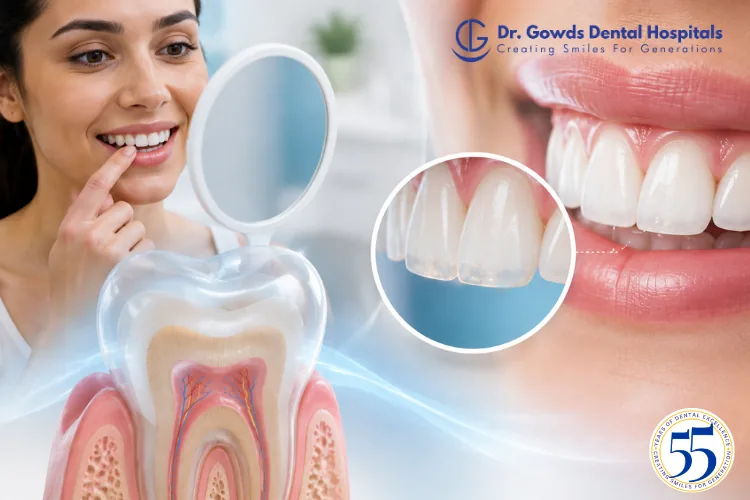
Have you noticed that the edges of your teeth look slightly transparent, especially when light passes through them? Translucent teeth can be a normal variation in enamel appearance, but increased transparency may sometimes indicate enamel thinning or tooth surface changes.
The outer layer of a tooth, known as enamel, is naturally somewhat translucent. This means that some light can pass through it, particularly around the incisal edges of the front teeth. However, when teeth become noticeably more transparent than they previously were, the change may be related to enamel wear, erosion, demineralization, or other dental conditions.
Understanding why teeth appear translucent can help distinguish a normal characteristic of enamel from a problem that deserves professional attention.
At Dr Gowds Dental Hospitals, a dental examination can help determine whether translucent-looking teeth represent normal enamel appearance or an underlying change in tooth structure.
Translucent teeth are teeth that allow some light to pass through the enamel, making certain areas appear partially transparent or see-through.
This is particularly noticeable at the edges of the front teeth.
Enamel is not completely opaque. Its appearance is influenced by:
A small amount of translucency can therefore be completely normal.
The concern arises when the transparency becomes pronounced, spreads to other areas, or appears alongside symptoms such as sensitivity, roughness, discoloration, or visible enamel loss.
The cutting edges of front teeth can naturally appear more translucent because enamel is relatively thin in these areas.
The underlying dentin contributes much of the tooth’s overall color, while the enamel allows some light to pass through.
This can make the edges appear:
For some people, this appearance has been present since their teeth erupted and does not indicate disease.
Translucency may deserve evaluation when it represents a change from the tooth’s previous appearance.
Pay attention if you notice:
These findings may suggest that the enamel has been affected by erosion, wear, or another condition.
Several factors can contribute to increased tooth translucency.
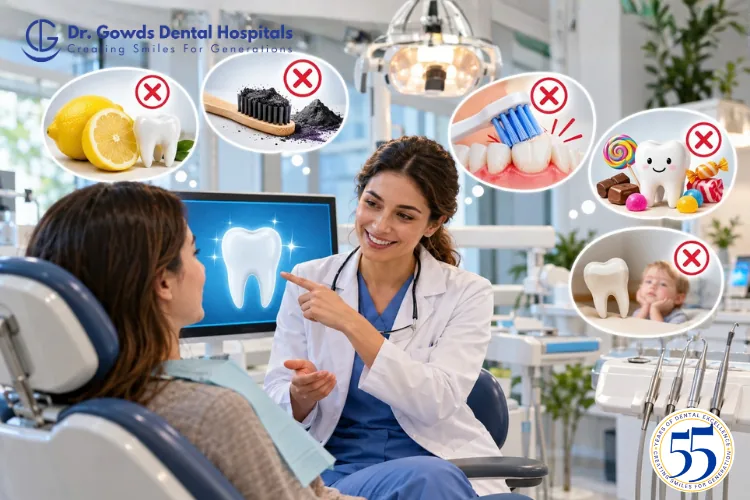
One of the important causes is dental erosion, which involves chemical loss of tooth structure caused by acids.
Acid exposure can come from:
When enamel becomes thinner, the underlying dentin may influence the tooth’s appearance more strongly, while the thinner enamel can appear increasingly transparent.
Repeated exposure to stomach acid can contribute to enamel erosion.
People with frequent acid reflux or recurrent vomiting may experience increased acid exposure to their teeth.
The pattern of enamel wear can vary depending on the source and frequency of acid exposure.
If you suspect that gastric acid is affecting your teeth, addressing the underlying medical condition is important in addition to protecting the teeth.
The frequency of acid exposure can matter.
Regular consumption of acidic drinks or foods can repeatedly expose enamel to a low-pH environment.
Examples include:
The overall effect depends on the individual’s diet, oral environment, saliva, and frequency of exposure.
Enamel can undergo mineral loss when the oral environment becomes unfavorable for maintaining its mineral structure.
Early mineral changes may alter the appearance of the tooth.
However, demineralization is not necessarily the same as irreversible enamel loss.
In its early stages, some mineral loss may be managed through appropriate preventive dental care and fluoride exposure.
Once significant enamel structure has been physically lost, it cannot simply grow back naturally.
Mechanical forces can also contribute to enamel thinning.
Tooth wear may occur through:
Grinding and clenching can gradually flatten or alter tooth surfaces.
If wear continues, the edges and surfaces of teeth may become thinner and more translucent.
Not every translucent tooth has an underlying dental problem.
Some people naturally have more translucent enamel, particularly around the edges of their front teeth.
If the appearance has remained stable and there are no symptoms or signs of enamel damage, it may simply be a normal anatomical characteristic.
A dentist can help determine whether the translucency is normal for you.
In some individuals, enamel may develop differently due to genetic or developmental factors.
Certain enamel conditions can affect:
These conditions may cause teeth to appear unusually thin, discolored, or translucent.
A dental examination is important when unusual enamel appearance is present from the time teeth erupt.
They can be, but not always.
Naturally translucent enamel is normal.
However, if teeth have become increasingly transparent, particularly around the edges, enamel thinning may be one possible explanation.
A dentist may assess:
This helps determine whether the appearance is simply natural or related to enamel damage.
They can be associated with sensitivity when the enamel has become sufficiently thin or damaged.
Enamel normally protects the more sensitive inner structures of the tooth.
When enamel is significantly worn or eroded, stimuli such as:
may trigger sensitivity.
However, tooth sensitivity can have many causes, including cavities, gum recession, cracked teeth, or exposed dentin.
Therefore, sensitivity should not automatically be attributed to translucency.
Treatment depends entirely on why the teeth appear translucent.
There is no single treatment for translucent teeth.
When early mineral loss is identified, a dentist may recommend fluoride-based preventive care and improvements in oral hygiene and dietary habits.
The objective is to strengthen the remaining enamel and reduce further mineral loss.
If erosion is related to acidic foods or drinks, reducing the frequency of exposure can help protect the remaining enamel.
If stomach acid is contributing to enamel damage, medical evaluation may also be necessary.
If bruxism is contributing to tooth wear, the dentist may assess the patient’s bite and discuss appropriate management.
In selected cases, a custom protective appliance may be recommended.
When significant enamel loss has already occurred, restorative dentistry may be considered.
Depending on the tooth and extent of damage, options may include:
Not everyone with translucent teeth requires cosmetic or restorative treatment.
The goal should be to treat the underlying problem and preserve as much healthy tooth structure as possible.
Children can also have naturally translucent areas in newly erupted teeth.
However, unusual enamel appearance in children may sometimes be associated with developmental enamel defects or early mineral loss.
Parents should seek a dental evaluation if a child’s teeth appear:
Early assessment can help identify enamel problems before they become more extensive.
Translucent teeth are not automatically a sign of unhealthy teeth.
A degree of translucency, particularly around the edges of front teeth, is a normal characteristic of enamel. However, noticeable or progressive transparency can sometimes indicate enamel thinning caused by erosion, tooth wear, demineralization, or developmental conditions.
The most important clue is often whether the appearance has changed over time.
If your teeth are becoming increasingly transparent, sensitive, rough, chipped, or worn, a dental examination can help identify the underlying cause.
Protecting enamel early is important because while early mineral loss may be managed, lost enamel cannot naturally grow back.
With appropriate preventive care and timely dental treatment, further enamel damage can often be minimized while preserving the natural structure of the teeth.
Visit us at-
Dr gowds dental hospital Nanakramguda
Dr gowds dental hospital Gachibowli
Dr gowds dental hospital madhapur
Slight translucency, especially around the edges of front teeth, can be completely normal because enamel naturally allows some light to pass through it.
The edges of front teeth naturally have relatively thin enamel, which can make them appear translucent. Increased transparency may also be associated with enamel thinning or erosion.
Not necessarily. Natural translucency does not mean enamel is weak. However, newly developed or increasing transparency may warrant evaluation for enamel wear or mineral loss.
Lost enamel cannot regenerate. However, early mineral loss can sometimes undergo remineralization with saliva and fluoride before significant structural loss occurs.
Aggressive brushing can contribute to tooth wear over time. The risk can be greater when enamel has also been softened by frequent acid exposure.
Not always. If the translucency is natural and the teeth are healthy, treatment may not be necessary. Treatment may be considered when translucency is associated with enamel damage, sensitivity, wear, or cosmetic concerns.
 Gachibowli Branch