

Schedule Appointment


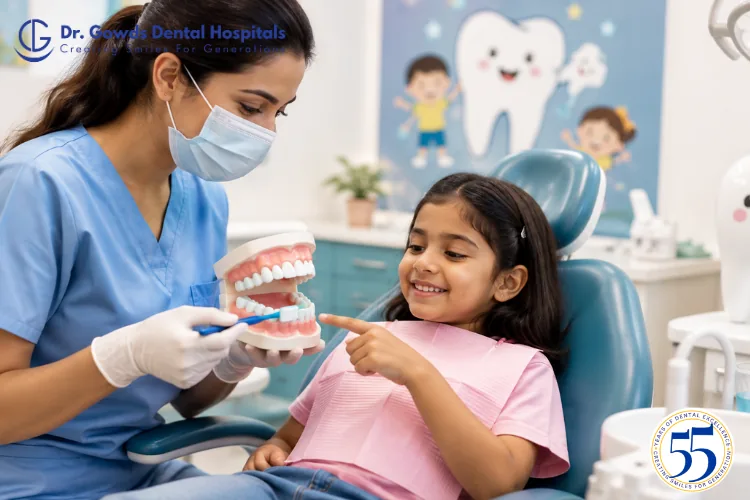
A child’s mouth changes significantly as they grow. Baby teeth erupt, permanent teeth develop beneath the gums, jaws continue growing, and the bite gradually changes. Because of this ongoing development, dentistry for children involves more than simply treating cavities or toothaches.
Children need dental care that considers their age, developing teeth, oral hygiene skills, eating habits, dental development, and comfort during appointments.
At Dr. Gowds Dental Hospitals, children’s dental care can focus on preventing dental problems, treating existing conditions, monitoring tooth development, and helping children develop healthy oral hygiene habits.
The aim is not only to treat problems when they occur but also to support healthy teeth and gums throughout childhood.
Dentistry for children focuses on the prevention, diagnosis, and treatment of oral health problems in infants, children, and growing adolescents.
It can involve:
The approach changes as the child grows because their dental needs are not the same at every stage.
Adults generally have a stable set of permanent teeth, while children are experiencing continuous dental development.
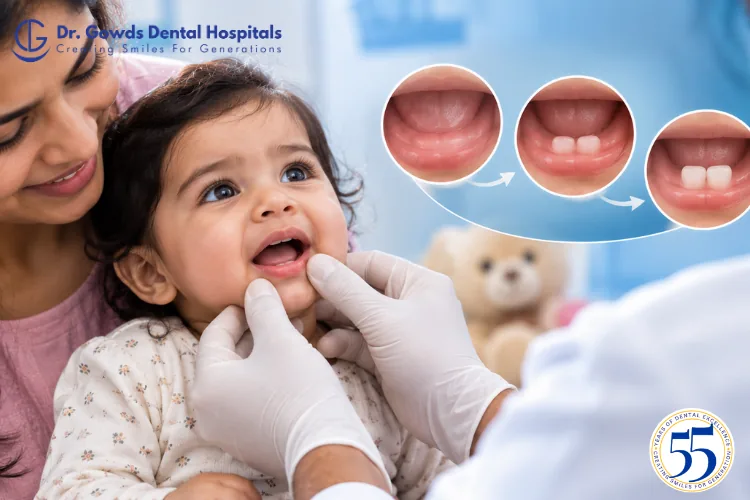
A child may have baby teeth and permanent teeth in the mouth at the same time. Permanent teeth may also be developing underneath primary teeth before they become visible.
Children may also need help developing effective brushing and interdental cleaning habits.
Another important difference is the child’s experience during treatment. Younger patients may feel uncertain about dental instruments, unfamiliar surroundings, or procedures. Age-appropriate communication and a calm dental environment can help children become more comfortable with dental visits.
Baby teeth are temporary, but they are still important to a child’s health and development.
They help children:
A common misconception is that cavities in baby teeth can simply be ignored because those teeth will eventually fall out.
Untreated decay can cause pain, infection, difficulty eating, and other complications. If a baby tooth is lost significantly earlier than expected, the dentist may also need to consider how the loss could affect the developing permanent teeth and available space.
Children can be particularly vulnerable to dental decay for several reasons.
Regular consumption of sugary foods and drinks can increase the amount of time teeth are exposed to cavity-causing acids.
The frequency of exposure is important, not just the total amount of sugar consumed.
Young children may not yet have the manual coordination needed to clean every surface effectively.
Parents may need to supervise or assist with brushing.
Newly erupted molars can contain deep pits and grooves where food and plaque become trapped.
These areas may be difficult to clean thoroughly.
Children may sometimes rush brushing or avoid certain areas of the mouth.
Regular supervision can help establish better habits.
Children can experience a variety of dental conditions.
Cavities can affect both baby and permanent teeth.
Pain may be caused by decay, infection, dental trauma, or other dental conditions.
Falls, accidents, and sports injuries can damage teeth.
A baby tooth may sometimes be lost earlier than expected because of decay or injury.
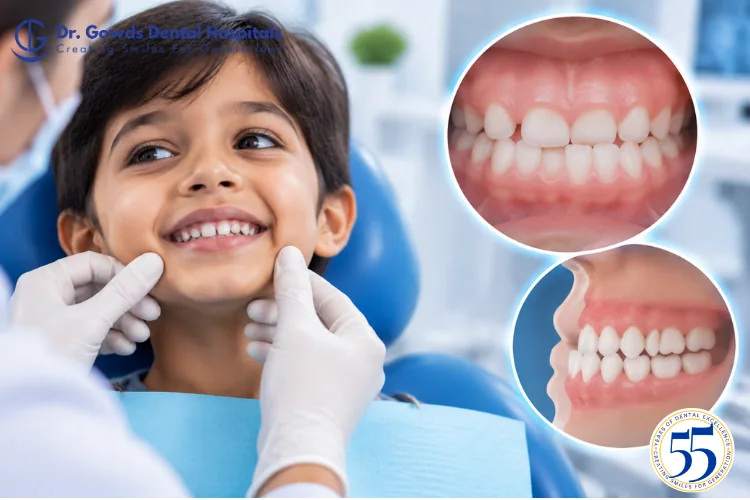
As permanent teeth erupt, there may not always be enough space for proper alignment.
Thumb sucking, prolonged pacifier use, or other habits may affect developing teeth and jaws in some children.
Dental trauma needs prompt assessment, especially when a permanent tooth is involved.
A knocked-out permanent tooth requires urgent dental attention because the timing and handling of the injury can influence treatment options.
Baby teeth are managed differently from permanent teeth, so parents should not assume that the same approach applies to both.
If a child experiences a significant dental injury, contacting a dental professional promptly is important.
Thumb sucking is common during early childhood.
However, prolonged or persistent sucking habits can sometimes influence the developing position of teeth and the relationship between the upper and lower jaws.
The effect can depend on:
A dentist can monitor the child’s teeth and bite and advise parents if intervention becomes appropriate.
A children’s dental visit may include:
The exact appointment depends on the child’s age and dental needs.
A routine visit may involve monitoring and education rather than treatment.
At Dr. Gowds Dental Hospitals, children’s dental care can focus on prevention, early detection, treatment, and monitoring of oral development.
The dental team can assess:
Treatment recommendations are based on the child’s individual dental condition and stage of development.
The aim is to help children maintain healthy teeth while making dental care a familiar and manageable part of growing up.
Dentistry for children requires a development-focused approach because a child’s mouth is constantly changing.
Baby teeth need to remain healthy until they are naturally replaced, while permanent teeth need protection as soon as they erupt. At the same time, dentists can monitor tooth eruption, bite development, oral habits, and the child’s ability to maintain effective oral hygiene.
Preventive care remains one of the most important parts of children’s dentistry. Regular examinations, fluoride toothpaste, appropriate preventive treatments, healthy dietary habits, parental support with brushing, and timely treatment of dental problems can help reduce avoidable complications.
Parents should also remember that the absence of pain does not always mean a child’s teeth are completely healthy. Regular dental examinations can identify problems before they become noticeable.
Building good dental habits during childhood can provide benefits that continue into adulthood. A positive relationship with dental care, combined with consistent home hygiene, gives children a stronger foundation for lifelong oral health.
Visit us at-
Dr gowds dental hospital Nanakramguda
Dr gowds dental hospital Gachibowli
Dr gowds dental hospital madhapur
Dentistry for children focuses on preventing, diagnosing, and treating oral health problems in children while monitoring the development of their baby teeth, permanent teeth, jaws, and bite.
Baby teeth help children chew, speak, and maintain space for developing permanent teeth. They can also contribute to normal oral development.
Frequent sugar exposure, developing brushing skills, deep grooves in newly erupted teeth, and inconsistent oral hygiene can increase the risk of cavities in children.
Yes. Some cavities and developing dental problems may not cause symptoms initially. Routine examinations allow the dentist to identify potential problems early.
No. Sealants are recommended based on individual cavity risk and the shape of the child’s teeth, particularly deep pits and grooves.
Persistent thumb sucking can sometimes influence the developing teeth and jaws. The potential effect depends on the child’s age, duration of the habit, frequency, and intensity.
Arrange a dental examination, particularly if the child has pain, sensitivity, bleeding, looseness, or a significant fracture.
 Gachibowli Branch