

Schedule Appointment


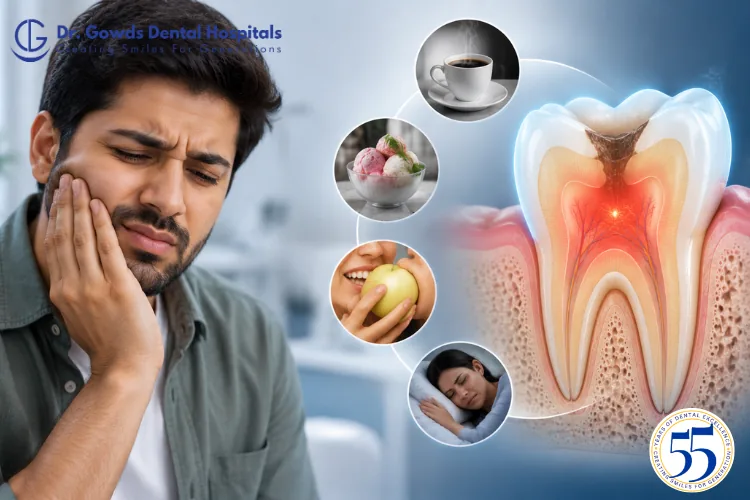
Tooth pain that comes and goes can be difficult to understand. You may experience pain for a few minutes or hours, feel completely normal afterward, and wonder whether the problem has resolved.
Sometimes temporary tooth pain is related to sensitivity or an irritant that has been removed. However, pain that disappears does not always mean that the underlying dental problem has gone away.
Tooth pain can be associated with several conditions, including tooth sensitivity, decay, a cracked tooth, grinding, bite-related problems, inflammation, or problems involving the dental pulp.
In some cases, severe inflammation or damage to the pulp can eventually cause the tooth to stop responding normally. This can make the pain decrease or disappear even though the tooth may still require treatment.
So, does a tooth that stops hurting mean the tooth is dying? Not necessarily. However, if you have experienced repeated or significant tooth pain, especially if it suddenly stops, a dental examination can help determine what is happening.
Different dental problems can cause different patterns of pain.
You may notice pain:
The duration, location, trigger, and intensity of the pain can provide useful information during a dental examination.
Brief sensitivity to cold, hot, or sweet foods can occur when the dentin becomes exposed or when the tooth is otherwise more sensitive than normal.
Possible contributing factors include:
Typical sensitivity is often brief and stops after the trigger is removed. If the pain becomes stronger, lasts longer, occurs spontaneously, or keeps returning, the tooth should be evaluated.
A cavity may cause little or no discomfort during its early stages.
As decay progresses deeper into the tooth, you may begin to notice sensitivity or pain when eating or drinking.
Possible symptoms include:
Importantly, the intensity of tooth pain does not always tell you how advanced the underlying problem is.
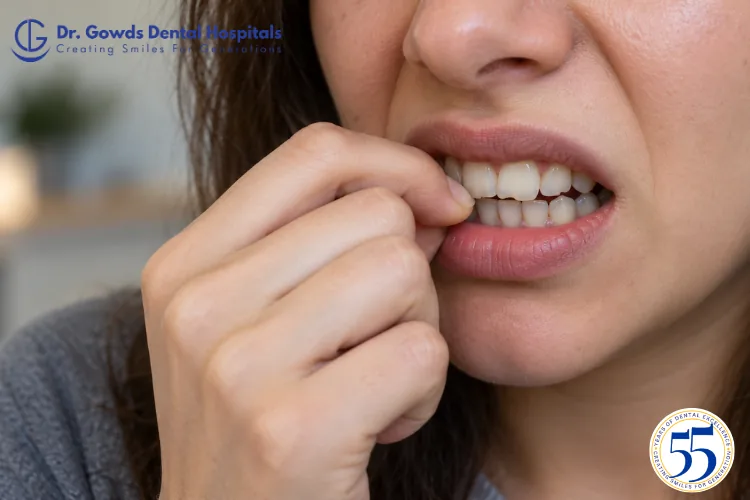
A cracked tooth can cause an unusual pattern of intermittent pain.
You may experience discomfort when:
The pain may disappear between episodes, making the tooth appear normal.
Some cracks are difficult to detect during a routine visual examination and may not always be visible on standard dental X-rays. Depending on the symptoms, a dentist may use bite testing, magnification, imaging, and other diagnostic methods.
Repeated grinding or clenching can place excessive force on the teeth and surrounding structures.
This may contribute to:
If your tooth pain occurs without an obvious dental trigger and you frequently clench or grind your teeth, mention this to your dentist.
Sometimes a tooth can become tender because it is receiving excessive pressure during biting.
This can happen after certain dental restorations or because of changes in the way the teeth come together.
A dentist can examine your bite and determine whether a particular tooth is receiving abnormal pressure.
Pain may sometimes originate from the tissues surrounding a tooth rather than from the tooth itself.
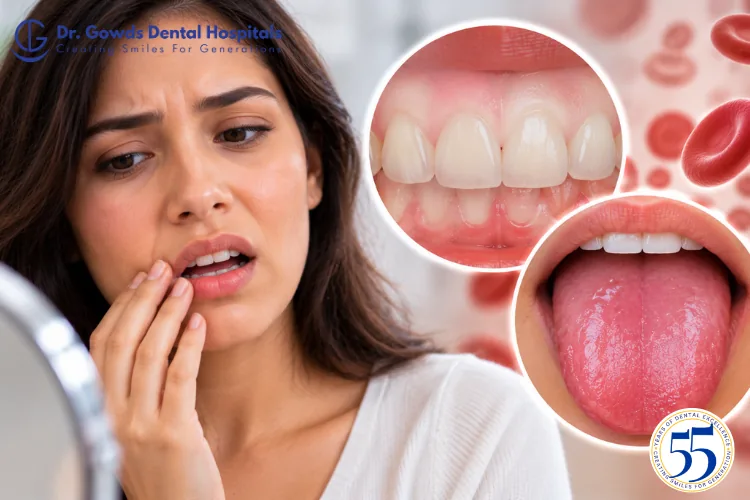
Gum or periodontal problems may be associated with:
A dental examination can help determine whether the discomfort is coming from the tooth, gums, or supporting tissues.
This is one of the most common concerns when searching for “tooth pain stops suddenly.”
Inside each tooth is dental pulp, which contains nerves, blood vessels, and connective tissue.
When the pulp becomes inflamed, the tooth may become sensitive or painful. If the inflammation or damage becomes severe, the pulp may lose its ability to function normally.
In some situations, pain may decrease or disappear as the pulp loses vitality.
This can create a pattern such as:
Pain → severe pulp inflammation or damage → reduced pulp response → pain decreases
However, this pattern does not mean that every tooth that stops hurting is dying.
Other problems, such as temporary sensitivity or an intermittent crack, can also cause symptoms that come and go.
Only dental examination and appropriate pulp testing can help determine whether the tooth remains vital and healthy.
A dentist may be more concerned about the condition of the pulp when intermittent tooth pain is accompanied by other symptoms.
Possible warning signs include:
Not everyone with pulp damage or infection experiences all of these symptoms.
In some cases, a problematic tooth may cause little pain, which is another reason symptoms alone cannot reliably determine the condition of the tooth.
There are several possible explanations for tooth pain that comes and goes and then stops.
If the cause is minor and temporary, inflammation or irritation may decrease and the symptoms may disappear.
For example, sensitivity may occur only after consuming a cold drink or sweet food.
A cracked tooth or bite-related problem may cause pain only when specific forces are applied.
In advanced pulp damage, the tooth may no longer respond normally to temperature or other stimuli.
This is why sudden relief following significant or recurring tooth pain should not automatically be interpreted as recovery.
There is an important difference between symptom relief and resolution of the underlying dental problem.
For example, if food becomes trapped between two teeth and irritates the gum, removing the food may allow the discomfort to disappear.
However, if the original pain was caused by deep decay, a crack, pulp damage, or infection, the underlying problem may remain even during a pain-free period.
Think of tooth pain as a warning signal rather than a diagnosis.
When the signal disappears, the underlying condition may have improved—but it may also still be present.
A dentist does not determine the health of a tooth nerve based only on whether the tooth currently hurts.
The evaluation may include several tests.
The dentist may look for:
A controlled stimulus may be used to assess whether the pulp responds.
The result is interpreted alongside the symptoms and findings from the rest of the examination.
The dentist may gently tap the tooth to check for tenderness that could indicate inflammation involving the tissues around the root.
Controlled pressure may be applied to individual teeth to determine whether biting reproduces the symptoms.
This can be particularly useful when a cracked tooth is suspected.
Dental X-rays can help identify:
However, not every dental problem is visible on a standard X-ray. The dentist may therefore combine imaging with clinical examination and other tests.
Treatment depends on the cause and how much damage has occurred.
Depending on the cause, treatment may include:
A small cavity may be treated with a filling.
If decay has progressed deeper, additional restorative or endodontic treatment may be necessary.
Treatment depends on the location and extent of the crack and how much healthy tooth structure remains.
Possible treatment may include a protective restoration or crown. If the pulp is significantly affected, root canal treatment may also be considered.
Some severely damaged teeth may not be predictably restorable and may require extraction.
If the pulp is irreversibly damaged or infected and the tooth can be restored, root canal treatment may be recommended.
The procedure involves removing diseased pulp tissue, cleaning and disinfecting the root canal system, and sealing the tooth.
If a tooth is severely fractured or damaged and cannot be predictably restored, extraction may sometimes be necessary.
The dentist can discuss replacement options when appropriate.
Yes, particularly if the tooth previously caused significant, recurring, or unexplained pain.
Consider arranging a dental examination if:
The absence of pain does not by itself confirm that the tooth has healed.
Seek urgent dental or medical attention if tooth pain is accompanied by:
Swelling that affects breathing or swallowing can indicate a serious infection and requires immediate medical attention.
If your tooth pain is intermittent, you can take some simple precautions while arranging an examination:
Avoid repeatedly testing the painful tooth by biting hard objects.
Not every cause of tooth pain can be prevented, but good oral care can reduce the risk of many dental problems.
Regular dental care is especially important because some dental problems may progress without causing continuous pain.
At Dr Gowds Dental Hospitals, the evaluation of intermittent tooth pain focuses on identifying the underlying cause rather than relying only on whether the tooth currently hurts.
Depending on the symptoms, the dental team may assess:
After identifying the likely cause, the dentist can recommend an appropriate treatment plan aimed at preserving the natural tooth whenever possible.
Tooth pain that comes and goes and then stops does not automatically mean that the tooth is dying.
Intermittent pain can have several causes, ranging from sensitivity and minor irritation to decay, cracks, bite-related problems, or damage involving the dental pulp.
What matters is the pattern of the pain.
Brief sensitivity to cold is different from pain that lingers after temperature exposure. Pain when biting is different from spontaneous toothache. And severe pain that suddenly disappears may require a different evaluation from discomfort that resolves after an obvious irritant is removed.
If a tooth has repeatedly caused pain, do not assume that the disappearance of symptoms means the problem has been completely resolved. A dental examination can help determine whether the tooth is healthy, needs treatment, or should simply be monitored.
Visit us at-
Dr gowds dental hospital Nanakramguda
Dr gowds dental hospital Gachibowli
Dr gowds dental hospital madhapur
Not necessarily. Pain can stop for many reasons. In some cases, severe pulp damage can reduce the tooth’s response to stimuli and cause pain to decrease. Dental testing is needed to determine the condition of the tooth.
Intermittent tooth pain can be associated with sensitivity, decay, cracks, bite-related pressure, grinding, or inflammation. The exact cause depends on the pattern and other examination findings.
A tooth with non-vital pulp may become less painful or painless after the pulp loses vitality. However, infection can still develop or remain around the tooth.
Possible signs include lingering temperature sensitivity, spontaneous pain, pain while biting, discoloration, swelling, or changes in the tooth’s response to testing. A dentist needs to evaluate the tooth to determine whether the pulp is healthy.
Yes. A cracked tooth can produce intermittent pain, especially during biting or releasing the bite. Symptoms may occur only under certain conditions.
If the tooth previously caused significant, recurring, or unexplained pain, it is advisable to have it examined even if the pain has stopped.
Symptoms can temporarily disappear, but this does not mean that an established cavity has healed. Dental decay generally requires professional assessment and appropriate treatment.
Treatment depends on the condition of the tooth. If the tooth can be restored but the pulp is irreversibly damaged or infected, root canal treatment may be recommended. If the tooth cannot be predictably saved, extraction may be considered.
There is no reliable waiting period that applies to everyone. If the pain was significant, recurring, unexplained, or associated with swelling, sensitivity, or biting pain, arrange a dental examination rather than relying on symptom disappearance.

 Gachibowli Branch